


Last Updated: November 8, 2026
Quick Summary
The most common cause of dry itchy skin without a rash is dry skin itself, where a weakened skin barrier lets irritants reach nerve endings and trigger itch. Other possible causes include irritants, medications, nerve dysfunction, stress, and internal conditions. Itch lasting more than six weeks should be assessed by a doctor.
- Chronic itch lasts longer than six weeks and affects an estimated 8% to 25.5% of people in European studies.
- The American Academy of Allergy, Asthma & Immunology identifies dry skin as the most common cause of itching without a rash.
- Scratching a dry, itchy patch can break the surface and keep the itch going in a loop.
- Use lukewarm water, keep showers short, and apply a fragrance-free moisturiser to damp skin twice a day.
- See a doctor if itch lasts more than six weeks, spreads, disrupts sleep, or comes with jaundice or weight loss.
Table of Contents
- What Itchy Skin Without a Rash Means
- Dry Skin as the Most Common Cause
- Dry Itchy Skin Relief You Can Start at Home
- Irritants, Medications and Nerve-Related Causes
- Why Itchy Skin No Rash Worse at Night Happens
- What Deficiency Causes Skin Itching
- How to Stop Itching All Over the Body and When to See a Doctor
- Frequently Asked Questions
What Itchy Skin Without a Rash Means
Itching that persists without any visible rash is more common than most people expect. Chronic itch, defined as lasting longer than six weeks, is estimated to affect between 8% and 25.5% of people in European population-based studies, according to Itch: Epidemiology, clinical presentation, and diagnostic workup. Many of those people have skin that looks normal to the eye, which makes the sensation harder to explain and easier to dismiss.
Here is the core question this article answers: when the skin looks fine but still itches, what is usually behind it? The answer often starts with the skin's surface, though not always. Dry skin is the most frequently identified culprit, but internal and neurological causes also appear in the medical literature, and knowing the difference shapes what you do next.
Clinicians distinguish itch that comes from the skin itself from itch that comes from the nervous system or from a systemic illness. A simple way to think about it: if the itch is tied to a specific trigger such as soap, weather or a new medication, the cause is often external. If it is constant, widespread and unrelated to any trigger, it deserves a closer look.
Dry Skin as the Most Common Cause
Dry skin is the leading explanation for itching without a rash. The American Academy of Allergy, Asthma & Immunology notes that dry skin is the most common cause of itching without a rash, excluding damage from scratching, as described in its guidance on itching without rash.
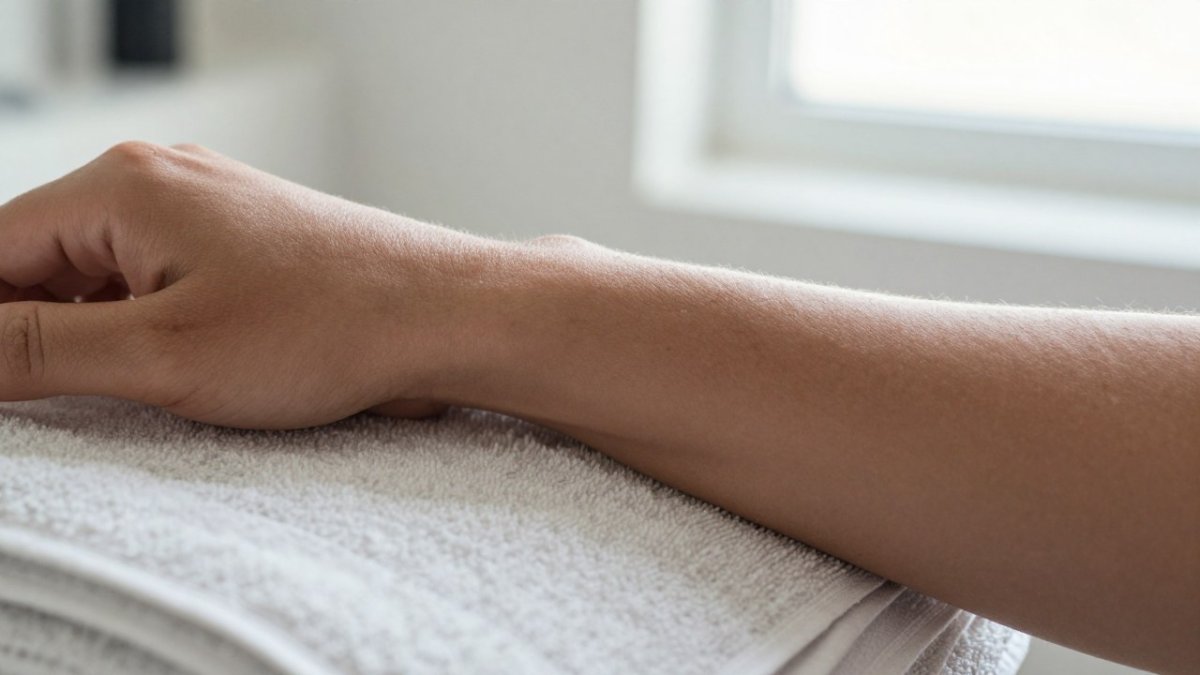
The mechanism is tied to the skin barrier. When the outer layer loses moisture and lipids, it becomes more permeable and more reactive to everyday irritants. Research on dry skin itch describes declining barrier function as the primary proposed cause, a finding summarised in Mechanisms and Management of Itch in Dry Skin. Dry skin, known clinically as xerosis, is especially common in older adults and during winter, when indoor heating and cold air strip moisture.
Watch out: scratching a dry, itchy patch can break the surface and make the barrier problem worse, which keeps the itch going in a loop.
The article breaks down the main categories of itch without a rash and what typically drives each one.
| Cause | How it triggers itch | Typical pattern |
|---|---|---|
| Dry skin (xerosis) | Weakened barrier lets irritants reach nerve endings | Common in older adults and winter |
| Irritants and contact reactions | Harsh soaps, detergents, wool and chemicals | Flares after laundry or bathing |
| Medications | Histamine release, bile flow changes or direct nerve effects | Can start days or weeks after a new drug |
| Nerve dysfunction | Neuropathy, postherpetic itch or nerve compression | Burning or prickling alongside itch |
| Stress and anxiety | Heightened itch perception through the nervous system | Worse during difficult periods |
| Night-time warmth and dry air | Warm skin and dry bedroom air intensify sensation | Worse in the evening and overnight |
Dry Itchy Skin Relief You Can Start at Home
For mild dryness, the first step is a gentle routine. Use lukewarm rather than hot water, keep showers short, and pat skin dry rather than rubbing it. Apply a fragrance-free moisturiser while the skin is still slightly damp to lock in water. Many people find that applying it twice a day, especially after washing, makes the biggest difference.
Choose products with minimal ingredients when your skin is reactive. A fragrance-free, alcohol-free cleanser and a simple moisturiser reduce the chance of adding another irritant. For a light, soothing option on the face, our non-toxic facial care guide covers everyday products for sensitive skin.
Pay attention to what you put on your face in the morning and after exercise, too. alcohol-free facial cleansing sprays are one option for refreshing skin without adding the stinging that alcohol-based toners can cause.
Home care works well for dryness-driven itch. If the itch persists for several weeks despite consistent moisturising, it is time to look at other causes rather than adding more products.
Irritants, Medications and Nerve-Related Causes
Itch without a rash can originate outside the skin itself. External irritants, medications, and nerve dysfunction each produce itch through distinct mechanisms, and distinguishing among them shapes what you do next.
External irritants and contact reactions
Everyday products are common culprits. Harsh soaps, detergents, wool fabrics, and certain chemicals can strip the skin barrier or directly stimulate nerve endings. Allergic contact dermatitis may produce itch before any visible rash appears, and histamine release from mast cells can trigger the sensation even when the skin looks normal.
Medication-related itching
Medications are an important and often overlooked cause. Itching can appear days or weeks after starting a new prescription, making the connection easy to miss. Mayo Clinic's overview of itchy skin symptoms and causes lists medication effects among the possible causes of persistent itch, alongside nerve disorders and internal conditions.
Watch out: never stop a prescribed medication on your own. Instead, note the start date of any new drug and the timing of itch onset, then raise the pattern with your prescriber, who can assess whether a change is appropriate.
Nerve-related itch
Nerve dysfunction can make skin feel itchy with no visible change. This category includes neuropathy (often from diabetes, alcohol use, or vitamin deficiencies), postherpetic itch after shingles, and nerve compression syndromes.
Stress, anxiety, and depression
The relationship between psychological state and itch is well documented. Stress and anxiety can heighten itch perception through the nervous system, and depression is associated with chronic itch in some people. The sensation can feel worse during difficult periods, and sleep loss from night-time itch compounds the cycle.
Why Itchy Skin No Rash Worse at Night Happens
Many people notice that the itch intensifies in the evening and overnight. Several factors overlap here. Skin temperature rises in bed, which can increase the sensation. Dry air in heated bedrooms adds to dryness. With fewer distractions, the brain also focuses more on the sensation.
Night-time itch that is persistent and disruptive deserves attention, because sleep loss compounds stress and can make the itch feel worse. Keeping the bedroom cool, using a humidifier in winter and applying moisturiser before bed are practical steps. If the itch wakes you regularly, mention it to a doctor.
What Deficiency Causes Skin Itching
Nutritional deficiencies are one piece of a larger picture. Several internal medical conditions can produce itching without a rash, and some of them involve deficiencies or organ dysfunction that blood tests can identify.
Iron deficiency and anemia
Iron deficiency is the most frequently cited nutritional cause of itch. It can contribute to itching even when anemia is not obvious on a standard blood count, and the mechanism is thought to involve changes in skin turnover and nerve function.
Thyroid disease
Both hypothyroidism and hyperthyroidism can produce itchy skin. In hypothyroidism, reduced sweat and sebum production leads to dry skin, which then itches. In hyperthyroidism, increased blood flow and skin temperature may contribute to the sensation.
Kidney disease
Chronic kidney disease is a well-recognized cause of persistent itch, sometimes called uremic pruritus. The mechanism is not fully understood but is thought to involve accumulation of waste products, changes in calcium and phosphorus balance, and nerve dysfunction. Itch from kidney disease is often widespread and can be intense.
Liver disease
Liver conditions that impair bile flow, including primary biliary cholangitis, hepatitis, and bile duct obstruction, can cause itching through accumulation of bile acids in the skin. The itch may be widespread and often worsens at night.
Pregnancy-related itching
Itching is common during pregnancy and is often benign, related to skin stretching and hormonal changes.
Other systemic conditions
Beyond these, conditions such as diabetes, HIV, and some blood disorders can produce itch as one of several symptoms. The pattern matters: itch that comes with fatigue, weight loss, night sweats, or swollen glands deserves a structured assessment rather than assumption.
How to Stop Itching All Over the Body and When to See a Doctor
Itch that spreads across the whole body needs a structured approach. Start with the basics: consistent moisturising, lukewarm washing, cool bedding and avoiding known irritants. Give these steps two to four weeks.
See a doctor if the itch lasts more than six weeks, spreads or worsens, disrupts sleep, or comes with jaundice, unexplained weight loss, night sweats, fatigue or swollen glands. Persistent itch can have causes that need testing, and the Primary Care Dermatology Society notes that in some patients no clear cause is found, which is why a formal assessment matters.
Bring a list of medications, a note of when the itch started and what makes it better or worse. That information shortens the path to a diagnosis.
Frequently Asked Questions
What causes dry itchy skin without a rash? The most common cause is dry skin, where a weakened skin barrier lets irritants reach the nerve endings and trigger itch. Other possible causes include medications, irritants, nerve disorders and internal conditions.
Can dry skin itch without any visible rash? Yes. Dry skin is the most frequently identified cause of itching without a rash, and the skin can look normal while still being itchy.
When should itchy skin be checked by a doctor? Itch lasting more than six weeks, spreading, disrupting sleep, or accompanied by other symptoms such as weight loss or jaundice should be assessed.
Is itchy skin at night a sign of something serious? Night-time itch is often linked to warm skin and dry air, but persistent itch that wakes you regularly should be checked to rule out underlying causes.
Dry, itchy skin is frustrating, but the cause is often findable. e11ement creates dermatologist-tested, alcohol-free hypochlorous acid skincare designed to refresh and protect sensitive and dry skin as part of a simple everyday routine. Explore the range and pair it with the gentle habits above to give your skin the calm, moisturised base it needs.
Frequently Asked Questions
Why is my entire body itchy but have no rash?
Itching all over the body without a visible rash is often linked to dry skin, which is widely identified as a leading cause of itching without a rash, apart from scratch damage. Other possibilities include medication effects, nerve disorders, and internal conditions such as kidney or liver disease. Because the list is broad, a persistent all-over itch that does not improve with basic skin care is worth discussing with a doctor, who can review your symptoms, medications and health history to narrow down the cause.
How do I stop my skin from being dry and itchy?
Dry itchy skin relief usually starts with a consistent moisturizing routine. Apply a fragrance-free moisturizer while skin is still slightly damp, especially after bathing, and use lukewarm rather than hot water. Keeping shower time short and avoiding harsh soaps can also help protect the skin barrier. Dry skin is a common cause of itch, particularly in older people and in winter, so seasonal changes in humidity may be worth addressing. If itching continues despite these steps, consider a medical review.
Why is itchy skin without a rash worse at night?
Many people notice itching feels stronger at night, when there are fewer distractions and the skin may be warmer under bedding. Dry skin can also become more noticeable during the night. The supplied research does not establish a single cause for this nighttime pattern, so it is best to track when your itch is worst and share that information with a healthcare provider, since timing can help clarify which underlying causes are most likely.
When should I see a doctor about itching without a rash?
See a doctor if itching lasts more than six weeks, which is the threshold used to define chronic pruritus, or if it interferes with sleep or daily life. Seek care sooner if the itch comes with unexplained weight loss, jaundice, persistent fatigue, or changes in urination. Medication effects, nerve disorders, and kidney or liver disease can all cause itching without a rash, so a professional assessment can help identify the cause. Some cases remain unexplained after evaluation.


