


Table of Contents
- What Hypochlorous Acid Spray Is and How It Works
- What You'll Need Before Starting
- Step-by-Step: How to Use Hypochlorous Acid Spray on Your Face
- When to Use Hypochlorous Acid in Your Skincare Routine
- How Often to Use Hypochlorous Acid Spray
- Hypochlorous Acid Spray for Acne: Application and Expectations
- How to Layer Hypochlorous Acid With Other Skincare Products
- Common Mistakes to Avoid
- Frequently Asked Questions
Last Updated: October 16, 2026
What Hypochlorous Acid Spray Is and How It Works
Hypochlorous acid (HOCl) is a weak acid your immune system produces naturally: white blood cells release it to neutralize bacteria, viruses, and other microbes at injury or infection sites (Hypochlorous Acid as a Potential Wound Care Agent). A hypochlorous acid spray is a water-based mist that puts a stabilized, diluted form of that same molecule onto your skin.
The molecule is small and electrically neutral, so it interacts quickly with the skin's surface. It is also short-lived, breaking down into water and a tiny amount of salt, which makes it gentler than harsher disinfectants. In skincare, it is used for calming, refreshing, surface-supporting properties rather than as a treatment for a specific condition.
Concentration is the most important thing to check. Hypochlorous acid is sold at wildly different strengths:
- Skin-care formulas are typically around 0.015% to 0.02% (roughly 15-20 ppm). These are the ones intended for facial and body use.
- Household and surface disinfectants can be 100 ppm or higher and are not formulated for skin.
- Medical or wound-care products sit somewhere in between and are meant to be used under clinical guidance.
A spray labeled for kitchens, produce, or hard surfaces should never go on your face, even if the active ingredient is the same molecule. The concentration, pH, and other ingredients are different.
What to look for on the label:
- A stated concentration or ppm range that matches skin-care use (commonly around 0.015%-0.02%).
- A pH range near skin-friendly levels. HOCl is most stable and most effective around pH 3.5-5.5; a product that lists its pH is giving you useful information.
- A short ingredient list. Alcohol-free, fragrance-free, and dye-free formulas are less likely to sting or trigger sensitivity.
- A production or expiration date. HOCl loses potency over time, especially when exposed to light and heat.
- Clear storage instructions. Most skin-care HOCl sprays should be kept capped, in a cool, dark place, and used within the timeframe the maker states.
How it fits into a routine. HOCl is a leave-on mist that works best on clean skin, before heavier products. It is not a cleanser, exfoliant, or moisturizer, think of it as a lightweight, calming layer between cleansing and hydration. No rinsing or special layering needed; just let it air-dry and continue your routine.
What it can and cannot do. Evidence for HOCl in skincare is strongest for surface calming, mild redness, and general skin hygiene. It is not a proven acne treatment, wound-healing product, or replacement for sunscreen, retinoids, or prescription care. For persistent skin conditions, use it as a supportive step while working with a clinician.
What You'll Need Before Starting
Gather these essentials first:
- Clean hands, wash your hands first to avoid transferring bacteria to your face
- A clean face, cleanse with your regular cleanser before applying the spray
- The hypochlorous acid spray, e11ement offers sizes from 2oz to 8oz bottles
- A clean towel, optional, but helpful for patting your face dry if needed
- Your regular moisturizer, you'll apply this after the spray dries
No special tools or prep required, the spray is a simple addition to your routine.

Step-by-Step: How to Use Hypochlorous Acid Spray on Your Face
Step 1: Cleanse Your Skin First
Start with a clean face. Use your regular facial cleanser to remove dirt, oil, and makeup, rinse thoroughly, and pat dry with a clean towel.
Why cleanse first? Hypochlorous acid spray works best on clean skin, dirt or makeup blocks it from reaching your skin. A 30-second cleanse makes a real difference in performance.
Step 2: Spray the Mist Onto Affected Areas
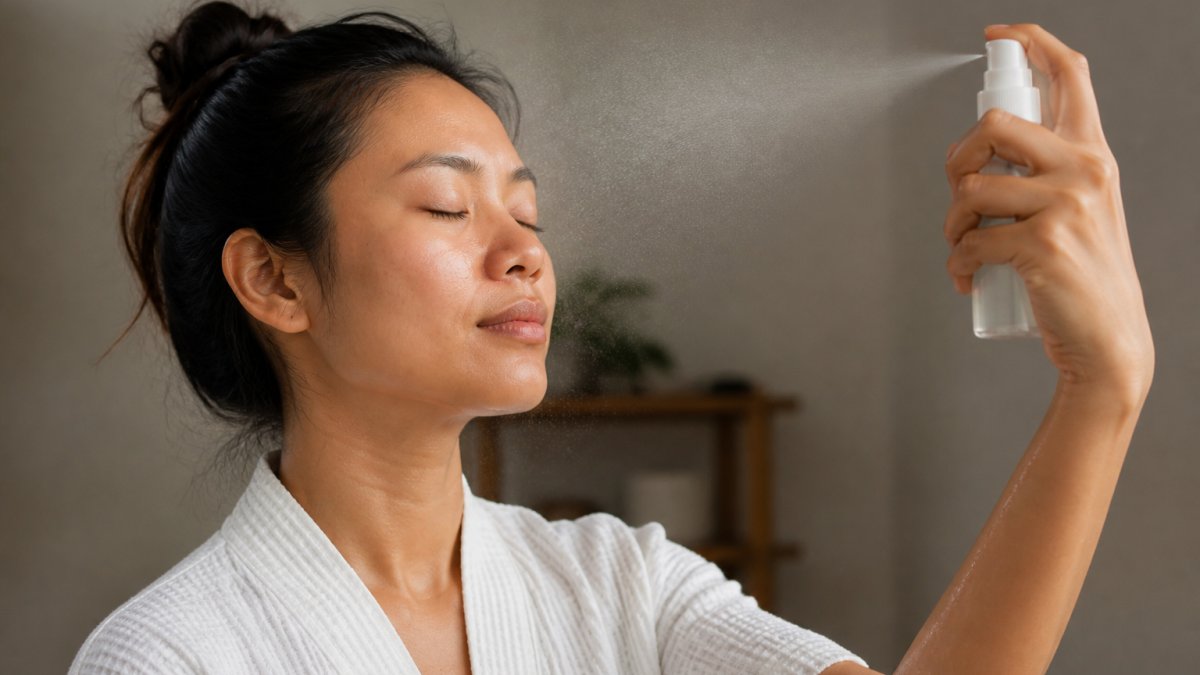
Hold the bottle 6-8 inches from your face and press the trigger gently for a fine mist, a light coating, not a soaking spray.
For your whole face, 2-3 sprays are usually enough; for specific areas like chin or forehead, one spray per area. The mist should feel refreshing, not dripping wet.
Common application areas:
- Forehead
- Cheeks
- Chin
- Nose
- Any areas with active breakouts or irritation
On body or hands, apply the same way, one light mist beats oversaturating.
Step 3: Allow the Spray to Air-Dry
This is the most important step: let the spray dry naturally. Don't wipe or pat it off, air-drying takes about 30 seconds to 1 minute.
During this time the hypochlorous acid spray is working; rushing defeats the purpose. Set a timer if it helps.
Step 4: Apply Moisturizer or Other Products
Once the spray has dried, apply your regular moisturizer in your usual amount. The spray won't interfere with your other products.
Apply serums, essences, or toners before moisturizer as usual, the spray fits into your routine without disrupting existing steps.
When to Use Hypochlorous Acid in Your Skincare Routine
Timing matters: apply hypochlorous acid spray after cleansing and before moisturizer, giving it direct contact with clean skin while leaving room for hydrating products afterward.
The ideal sequence looks like this:
| Step | Product | Timing |
|---|---|---|
| 1 | Cleanser | First |
| 2 | Hypochlorous acid spray | After cleansing, before other actives |
| 3 | Serums or essences | Optional, after spray dries |
| 4 | Moisturizer | Last |
| 5 | Sunscreen (AM only) | Final step in morning |
Use the spray once or twice daily: morning application refreshes skin before moisturizer and sunscreen, while evening application supports overnight repair.
If you use retinoids, acids, or other actives, apply the spray first and let it dry completely before applying them, this order prevents irritation and lets each product work without interference.
How Often to Use Hypochlorous Acid Spray
Most people see the best results using hypochlorous acid spray twice daily, morning and night, consistent refreshment without overdoing it.
However, you can adjust based on your skin's needs:
- Daily use (morning and night), ideal for most skin types
- Once daily, if your skin is very sensitive or you're new to the spray
- As needed, after workouts, throughout the day, or when your skin feels stressed
Listen to your skin: if daily use causes dryness or irritation, scale back to once daily; if your skin thrives, twice daily is safe and effective.
Hypochlorous Acid Spray for Face and Skin - 240mL / 8oz →
e11ement's formulas are gentle enough for everyday use. The low concentration of hypochlorous acid (0.015%) means you can use the spray regularly without worry.
Hypochlorous Acid Spray for Acne: Application and Expectations
If you're using hypochlorous acid spray for acne-prone skin, apply it directly to affected areas after cleansing, its gentle nature suits breakout-prone skin without the harshness of stronger treatments.
For active breakouts:
- Spray the affected area after cleansing
- Allow it to air-dry completely
- Apply your regular moisturizer
- Continue your normal acne routine if you use other treatments
Many people find hypochlorous acid spray reduces redness and calms irritation around breakouts.
Don't expect overnight results, most people notice improvements in 2-4 weeks of consistent use.
The spray works best as part of a complete routine, not a standalone acne solution, combine it with a good cleanser, moisturizer, and sunscreen.
How to Layer Hypochlorous Acid With Other Skincare Products
Layering the spray correctly keeps all your products working together, the key is when you apply it.
With gentle products (moisturizers, hydrating serums): Apply the spray first, let it dry, then layer other products on top, this works for most routines.
With active ingredients (retinoids, acids, vitamin C): Apply the spray first, let it dry completely, then apply your active, this order prevents irritation and lets each product work independently. Integrating humectants like hyaluronic acid into your skincare routine order further stabilizes the moisture barrier after these potent treatments have fully absorbed.
With sunscreen: In the morning, apply the spray, let it dry, then moisturizer, then sunscreen, sunscreen always goes last.
With spot treatments: Apply the spray first to cleansed skin, let it dry, then apply your spot treatment to specific areas.
Avoid mixing the spray with other products in your hands, apply each separately and let each absorb before the next, giving every product room to work.
Common Mistakes to Avoid
Most hypochlorous acid spray mistakes are either application errors that reduce results or safety errors that cause irritation. Here are the ones that matter most, with fixes.
Mistake 1: Applying to dirty or makeup-covered skin. Oil, sunscreen, and makeup block contact. Cleanse, pat dry, then spray; midday, a quick rinse or micellar wipe-down is enough.
Mistake 2: Wiping or patting the spray off immediately. The mist needs 30 seconds to 1 minute to air-dry; wiping removes it before it can interact with your skin.
Mistake 3: Oversaturating the skin. Two to three sprays for the whole face is enough; drenching doesn't improve results and can leave salty residue or tightness. Aim for one light pass per area.
Mistake 4: Using a household or surface disinfectant on your face. This is the most serious mistake. HOCl ranges from skin-care formulas around 0.015% to far stronger cleaning products.
Mistake 5: Skipping a patch test. Before using a new bottle on your face, spray your inner forearm and wait 24 hours.
Mistake 6: Spraying into the eyes or onto mucous membranes. Keep the bottle 6-8 inches away and close your eyes and mouth during application.
Mistake 8: Expecting it to treat acne or heal wounds on its own. HOCl can calm redness and support the skin's surface, but it is not an acne treatment or wound-healing product.
Mistake 9: Storing it in heat, sunlight, or a hot car. Light and heat reduce potency. Keep the bottle capped in a cool, dry place and follow the manufacturer's expiration and storage instructions.
Mistake 10: Ignoring your skin's signals. If you notice persistent redness, dryness, stinging, or a rash, stop using the spray and let your skin settle.
Frequently Asked Questions
How often can you use hypochlorous acid spray?
Most people can use hypochlorous acid spray daily, either once or twice daily depending on skin type and needs. Those with acne-prone or irritated skin often benefit from twice-daily application (morning and evening after cleansing). If your skin feels sensitive or dry, start with once daily and adjust based on your skin's response. Always allow the spray to air-dry before applying other products.
Should you let hypochlorous acid spray dry before applying moisturizer?
Yes, you should allow the spray to air-dry completely before applying moisturizer or other skincare products. This typically takes 30 seconds to 1 minute. Letting it dry ensures the hypochlorous acid can work effectively and prevents it from being diluted by other products. Once dry, apply your moisturizer or serums as normal.
Can you use hypochlorous acid spray with other skincare products like retinoids or acids?
Hypochlorous acid spray is generally compatible with most skincare products, including retinoids and other acids. Apply the spray first on clean skin, let it air-dry, then layer your other products. If you're using multiple active ingredients, introduce them gradually and monitor your skin for irritation. When in doubt, consult a dermatologist about your specific routine.
Is hypochlorous acid spray safe for sensitive skin and children?
Hypochlorous acid spray is alcohol-free and formulated to be gentle on sensitive skin types. e11ement's spray is dermatologist-tested and hypoallergenic, making it suitable for dry, sensitive, and combination skin. For children, always check the product label and consult a healthcare provider before use on young children or infants.


