


Table of Contents
- How Hypochlorous Acid Helps Acne-Prone Skin
- Quick Comparison: Best Hypochlorous Acid Sprays for Acne
- 1. Hypochlorous Acid Spray for Face and Skin - 240mL / 8oz: Best for Daily Full-Face Use
- 2. Hypochlorous Acid Spray for Face and Skin - 120mL / 4oz: Best for On-the-Go Touch-Ups
- 3. Hypochlorous Acid Spray for Face and Skin - 60mL / 2oz: Best Travel Size for Trying It Out
- 4. Hypochlorous Acid - e11ement X Concentrated - 30mL / 1oz: Best Spot Treatment for Stubborn Blemishes
- 5. Hypochlorous Acid - e11ement X Concentrated - 240mL / 8oz: Best Value for Targeted Care
- Hypochlorous Acid for Body Acne: Chest, Back, and Beyond
- Frequently Asked Questions
Last Updated: October 15, 2026
How Hypochlorous Acid Helps Acne-Prone Skin
Hypochlorous acid (HOCl) is a naturally occurring antimicrobial compound that your immune system already produces to fight bacteria and calm inflammation.
That distinction matters for anyone with acne-prone skin. According to the American Academy of Dermatology's acne resource center, acne treatments work best when they control bacteria and inflammation without triggering irritation.
Here is why we think it belongs in more routines. The molecule is antimicrobial, meaning it helps reduce the bacteria that contribute to breakouts.
At e11ement, we build our entire range around this one ingredient.
What the evidence actually supports, and what it doesn't
Most of the enthusiasm around hypochlorous acid for acne comes from its well-established role as an antimicrobial and wound-care agent, not from large acne-specific clinical trials. That distinction matters if you are choosing it as part of a breakout routine.
What is reasonably well supported:
- Antimicrobial action. HOCl is a recognized disinfectant that inactivates a broad range of bacteria, including strains implicated in inflammatory acne. This is the mechanism most often cited for why it might help breakouts.
- Redness and irritation relief. Because it is non-irritating and does not strip the barrier, many people find it calming on inflamed or reactive skin, a meaningful benefit when stronger actives leave skin raw.
- Barrier-friendly support. Unlike alcohol-based toners or harsh astringents, HOCl leaves the skin's acid mantle largely intact, which is why it is often recommended alongside prescription acne treatments rather than instead of them.
What is not strongly established:
- Direct comedone clearance. There is little evidence that HOCl dissolves blackheads, whiteheads, or closed comedones the way retinoids or salicylic acid do. If your breakouts are mostly non-inflammatory, HOCl is unlikely to be the star of your routine.
- Replacement for standard acne treatment. A spray is not a proven substitute for benzoyl peroxide, topical retinoids, or prescription options for moderate-to-severe acne. Think of it as a supportive layer, not a swap.
- Fast, dramatic results. Any improvement in inflammatory breakouts builds gradually over weeks, not days, and is modest compared with dedicated acne actives.
Which acne types it suits best
A useful way to think about it: HOCl is more relevant to inflamed, irritated, bacteria-driven breakouts, the red, tender kind, than to comedonal acne (blackheads and whiteheads) or hormonal cystic acne.
If your main concern is post-workout breakouts, maskne, or redness around existing blemishes, HOCl is a sensible addition.
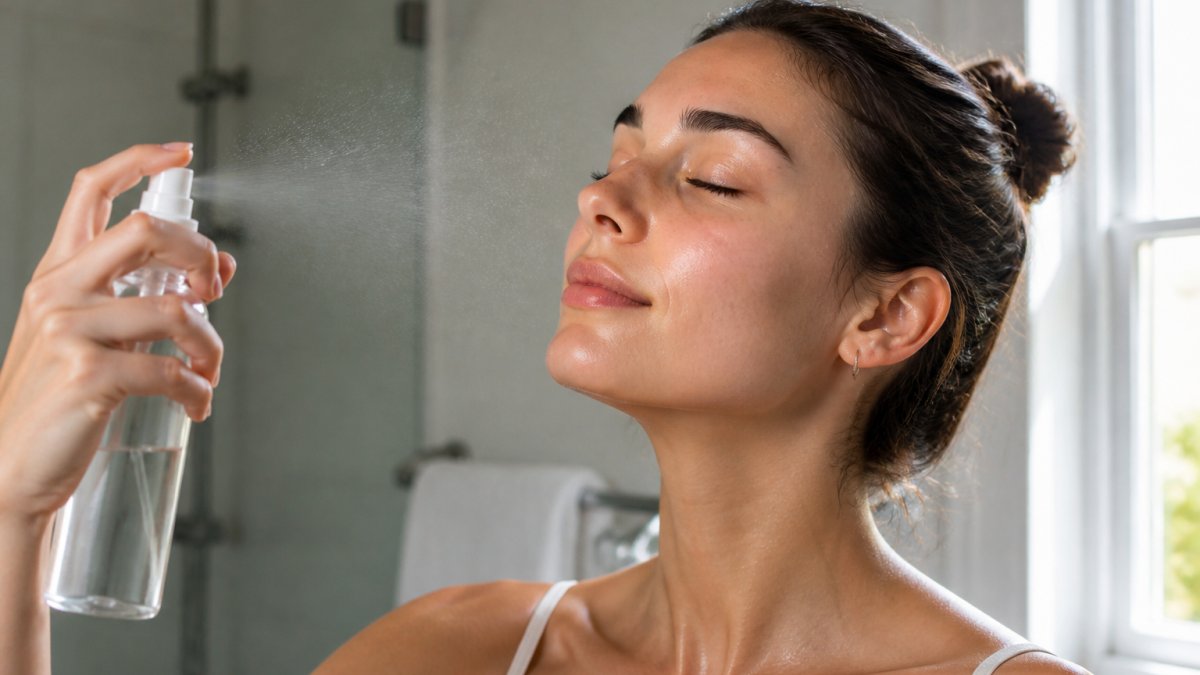
Quick Comparison: Best Hypochlorous Acid Sprays for Acne
The best hypochlorous acid for acne depends on where you will use it. A full-face mist suits daily routines, a compact bottle fits your gym bag, and a concentrated formula handles stubborn spots.
| Product | Price | Best For |
|---|---|---|
| Face and Skin Spray | $18.95 | Daily full-face use |
| Face and Skin Spray | $15.99 | On-the-go touch-ups |
| Face and Skin Spray | $12.49 | Travel and first-time testing |
| e11ement X Concentrated | $13.99 | Spot treatment for stubborn blemishes |
| e11ement X Concentrated | $29.99 | Best value for targeted care |
Every formula uses just three ingredients: water, sodium chloride, and hypochlorous acid. The regular sprays sit at 0.015%, while the e11ement X line runs at 0.09%, six times stronger for targeted use.

1. Hypochlorous Acid Spray for Face and Skin - 240mL / 8oz: Best for Daily Full-Face Use
The 8oz bottle is the one we recommend most often, and it is our top pick for a daily facial routine.

Spray it onto clean skin and let it air dry before your next product. That makes it an easy step before moisturizer or after cleansing.
Where it falls short: if you want a bottle for your bag, this one stays home. That is what the smaller sizes are for.
2. Hypochlorous Acid Spray for Face and Skin - 120mL / 4oz: Best for On-the-Go Touch-Ups
The 4oz spray is the middle child, and it earns its place.
Acne-prone skin often flares after sweat sits on it for hours. A quick mist after training or at lunch can help refresh the skin.
The one drawback is value. You pay more per millilitre than the 8oz, so buy this one for portability, not for your main supply.
3. Hypochlorous Acid Spray for Face and Skin - 60mL / 2oz: Best Travel Size for Trying It Out
If you have never used hypochlorous acid, start here.
It is also the size that clears airport security, so frequent travelers can keep a bottle in a carry-on.
The obvious limitation: it runs out fast with twice-daily full-face use. Treat it as a trial and a travel companion, not your everyday bottle.
[IMAGE: A compact skincare spray bottle sitting in an open weekender bag next to a passport and sunglasses on a hotel bed, warm morning light | section:3.
Hypochlorous Acid Spray for Face and Skin - 240mL / 8oz →
4. Hypochlorous Acid - e11ement X Concentrated - 30mL / 1oz: Best Spot Treatment for Stubborn Blemishes
This is where our range gets serious about individual breakouts. e11ement X is six times stronger than the original formula, and the 1oz bottle costs $13.99.
Saturate a clean cotton pad or swab and apply it directly to angry, congested areas.
Do not spray this one into your eyes or mouth. It is a targeted tool, and it rewards careful use.
5. Hypochlorous Acid - e11ement X Concentrated - 240mL / 8oz: Best Value for Targeted Care
The 8oz concentrated bottle is the pick for anyone treating stubborn breakouts regularly. At $29.99, it costs less per millilitre than the smaller concentrated sizes, so you are not repurchasing every few weeks.
Same 0.09% formula, same targeted directions: apply with a cotton pad or swab to congested or uneven-looking skin, and let it air dry.
The trade-off is commitment. If you only get the occasional spot, the 1oz will last you months and cost less upfront.
Hypochlorous Acid for Body Acne: Chest, Back, and Beyond
Body acne follows the same logic as facial breakouts, but the surface area is larger, so you need more product and a routine you will actually keep.
Here is how we would build the routine:
- Shower after sweating, then pat the area dry.
- Mist the 8oz spray generously over your chest and back.
- Let it air dry before dressing.
- Use the concentrated formula on individual stubborn spots.
That last point covers the hypochlorous acid vs. benzoyl peroxide question. HOCl is gentler and non-drying, which makes it easier to use daily on large areas. Many people use both, with HOCl as the calming layer.
How to layer HOCl with common acne actives
One of the most common questions is where HOCl fits alongside the actives people already use. A practical rule: apply HOCl first on clean skin, let it dry, then follow with your active and moisturizer. It layers well with most routines, but a few combinations deserve care.
- Benzoyl peroxide. Compatible, but if you are using both on the same area, alternate rather than stack. Many people use HOCl in the morning and BP at night.
- Retinoids (tretinoin, adapalene). Apply HOCl first, let it fully dry, then apply your retinoid. Do not mix them in your hand; layering separately reduces the chance of irritation.
- Salicylic acid. Fine to combine, but if your skin is already reactive, simplify to one active at a time and use HOCl as the buffer layer on off days.
- Niacinamide and hydrating serums. Fully compatible; HOCl dries down without residue, so it will not pill under these.
If your skin is stinging, peeling, or red, that is a signal to simplify, drop to cleanser, HOCl, and moisturizer until the barrier recovers.
How to choose a formula using the label
Here is what to actually check on the bottle:
- Ingredient list. A minimal formula, water, sodium chloride, and hypochlorous acid, is the cleanest starting point. Watch for added fragrance, dyes, or alcohol, which can undermine the gentleness that makes HOCl useful for acne-prone skin.
- Concentration. HOCl products range widely. Lower concentrations (around 0.015%) suit daily full-face misting; higher concentrations (around 0.09%) are typically intended for targeted spot use. Match the concentration to how you plan to use it.
- pH. HOCl is most stable and effective at a slightly acidic pH. A product that does not disclose pH is harder to evaluate.
- Packaging. Opaque or amber bottles and sealed sprayers help preserve potency.
Safety, storage, and realistic expectations
A few practical notes that most guides skip:
- Keep it out of your eyes. If you get it in your eyes, rinse thoroughly with water.
- Patch test first. Especially if you have eczema, rosacea, or known sensitivities, mist a small area and wait 24 hours before full-face use.
- Do not confuse skin products with household or wound-care HOCl. Products intended for facial use are formulated and tested for that purpose; industrial or medical-grade HOCl is not interchangeable.
- Store it properly. Keep the bottle closed, out of direct sunlight, and away from hot bathrooms or cars. Heat and light reduce potency over time.
One honest limit: hypochlorous acid is a cosmetic formula, not a prescription acne treatment. For severe or cystic acne, see a dermatologist. For everyday breakouts, redness, and irritation, it is a sensible, gentle addition.
Frequently Asked Questions
Is hypochlorous acid spray good for body acne?
Yes. Hypochlorous acid is valued for its gentle, bacteria-reducing properties, which makes it a practical option for acne on the chest, back, and shoulders. Spray the 240mL or 8oz size directly onto clean skin after workouts or showering, let it air dry, and follow with a light moisturiser if needed. Its non-drying formula suits daily use on larger areas where stronger treatments can feel harsh.
Can you use hypochlorous acid spray every day?
Daily use is fine for most people. The e11ement face and skin sprays contain just water, sodium chloride, and 0.015% hypochlorous acid, and the formula is alcohol-free and fragrance-free. Apply it once or twice a day, or after sweating, as part of your normal routine. If your skin is very reactive, start with one application daily and build up from there.
Can you use hypochlorous acid with other acne treatments like benzoyl peroxide?
You can combine them, but timing matters. Benzoyl peroxide is a stronger, drying ingredient, so apply it first and let it fully absorb. Wait a few minutes, then mist hypochlorous acid over the area to help calm and rehydrate the skin. This layered approach lets you get the bacteria-fighting benefits of both while reducing the irritation that benzoyl peroxide alone can cause.
Is hypochlorous acid safe for sensitive or acne-prone skin?
It is generally well tolerated because the formula is mild and pH-balanced. e11ement products are dermatologist-tested, hypoallergenic, and free from alcohol, parabens, added fragrance, gluten, dyes, and oils. If your skin is extremely reactive, patch-test on your inner arm for 24 hours before using it on your face. Most people with sensitive or acne-prone skin can use it daily without stinging or redness.
How do you use hypochlorous acid spray for acne?
Spray onto clean, dry skin and let it air dry before applying other products. For face acne, mist the 120mL or 4oz size over your entire face morning and night. For targeted blemishes, saturate a cotton pad with e11ement X Concentrated (0.09%) and dab it onto the spot. Always follow with a moisturiser if your skin feels dry, and use sunscreen during the day.
Managing acne-prone skin is a daily grind, and most treatments make it harder by drying you out. We built e11ement to make it easier: dermatologist-tested, alcohol-free formulas that refresh, hydrate, and protect without irritation. Start with our 240mL Face and Skin Spray for daily use, add the e11ement X Concentrated for stubborn spots, and keep a 60mL in your bag for touch-ups. Add to cart and give your skin a gentler daily reset.


