


Quick Summary
Hypochlorous acid is generally tolerated on skin, but its risks depend on pH, concentration, and storage more than on the name alone. Mild redness, dryness, or stinging are the most common reactions, so patch test for 24 to 48 hours before applying it to your face.
- Check the product label for concentration, since a missing figure leaves you unable to judge its strength.
- Spray onto clean skin and let it air dry before applying any other product.
- Patch test on the inner forearm or behind the ear for 24 to 48 hours first.
- Stop use if stinging lasts more than a few minutes and rinse with lukewarm water.
- Keep the spray away from eyes, lips, and open wounds, and consult a dermatologist before using it during an eczema flare.
Table of Contents
- How to Use Hypochlorous Acid Safely on Your Skin
- What Hypochlorous Acid Is and Why Its Risks Depend on Formulation
- What the Clinical Evidence Says About Hypochlorous Acid Side Effects
- Is Hypochlorous Acid Safe for Sensitive Skin?
- Hypochlorous Acid for Eczema and Other Inflamed Skin
- How to Use a Hypochlorous Acid Spray Without Irritating Your Skin
- Eyes, Broken Skin, Inhalation and Other Exposures to Avoid
- Choosing a Low-Concentration Spray and Patch Testing Your First Bottle
- Frequently Asked Questions
How to Use Hypochlorous Acid Safely on Your Skin
Last Updated: November 2, 2026
What Hypochlorous Acid Is and Why Its Risks Depend on Formulation
Hypochlorous acid is a weak acid that the body's own immune cells produce to kill bacteria, and skincare brands now bottle it as a facial mist. The risk you face from a hypochlorous acid spray depends far more on its pH, concentration, and how the product is stored than on the name on the label. A 2018 review in the Journal of Clinical and Aesthetic Dermatology notes that hypochlorous acid properties after skin application depend substantially on pH and formulation stability (Status Report on Topical Hypochlorous Acid in dermatology).
That is the thread running through this guide. Most people who react badly to hypochlorous acid did not encounter a uniquely dangerous ingredient. They used a product whose strength, stability, or application was wrong for their skin.
The compound works through broad antimicrobial activity, and a 2025 review describes that activity as including direct toxicity to many bacteria and fungi (Hypochlorous Acid: Clinical Insights and Experience in Dermatology). Antimicrobial power is exactly why it can be useful, and exactly why it deserves respect on skin that is already compromised.
What the Clinical Evidence Says About Hypochlorous Acid Side Effects
Read that as "few serious problems have been documented," not "no one will react." Mild irritation is the realistic concern, and it tends to show up in predictable ways.
Redness, Dryness and Stinging
Most reactions are mild and local. Users commonly report redness, a tight or dry feeling, and brief stinging, especially on freshly shaved or sunburned skin. Hypochlorous acid products may cause irritation, redness, itching, or dryness. If stinging lasts more than a few minutes, rinse with lukewarm water and stop using the product until your skin settles.
Risks of Overuse and Frequent Application
Frequency matters more than most labels admit. Using too much hypochlorous acid on skin can cause irritation, so treat "a little more" as a guess, not a safety margin. Spray once or twice a day, let it air dry, and do not stack multiple acid-based products on the same area.
The article lists the most common side effects of hypochlorous acid sprays and how to respond to them.
| Symptom | Typical trigger | What to do |
|---|---|---|
| Redness | Freshly shaved or sunburned skin | Rinse with lukewarm water |
| Dryness or tightness | Frequent application | Reduce use |
| Brief stinging | Sensitive or compromised skin | Stop if it lasts several minutes |
| Itching | Product irritation | Stop use and consult a professional |
Is Hypochlorous Acid Safe for Sensitive Skin?
For many sensitive-skin users, a low-concentration, well-formulated spray is a reasonable thing to try, provided you test it first. The question is less "is the ingredient safe" and more "is this specific product, at this concentration and pH, stable and suitable for my skin." That reframing is where most consumer guides stop short, so it is worth spelling out the formulation factors that actually drive tolerability.
Concentration is the first variable. The e11ement facial spray contains 0.015% hypochlorous acid. A product that does not state its concentration on the label gives you no way to judge which category you are holding. pH is the second variable: hypochlorous acid is most stable and most active within a narrow acidic range, and a formulation that drifts outside it may be less effective or more irritating. Packaging is the third: light and air degrade hypochlorous acid, so opaque bottles and sealed containers matter more than they do for a typical moisturizer. The fourth is the rest of the ingredient list, since alcohol, fragrance, dyes, and some preservatives add irritation risk that has nothing to do with hypochlorous acid itself.
A clean ingredient list does not guarantee tolerance, so patch test regardless. Apply a small amount to the inner forearm or behind the ear for 24 to 48 hours and watch for redness, itching, or stinging before using it on your face. People with a history of eczema, rosacea, or contact dermatitis should be more cautious, and anyone with an active flare should talk to a dermatologist before adding a new acid-based product. If a reaction appears, stop use and consult a healthcare professional. Establishing a consistent routine for these preliminary checks ensures that you patch test safely while minimizing the risk of irritation from new skincare additions.
Hypochlorous Acid for Eczema and Other Inflamed Skin
Talk to a dermatologist before using any acid-based spray on an active flare, and never use it as a substitute for prescribed treatment.
Hypochlorous Acid Spray for Face and Skin - 240mL / 8oz →
How to Use a Hypochlorous Acid Spray Without Irritating Your Skin
Start with clean skin, spray lightly, and let the mist air dry before applying any other product. Do not rub it in or layer it under heavy occlusive creams, which can trap the product against the skin.
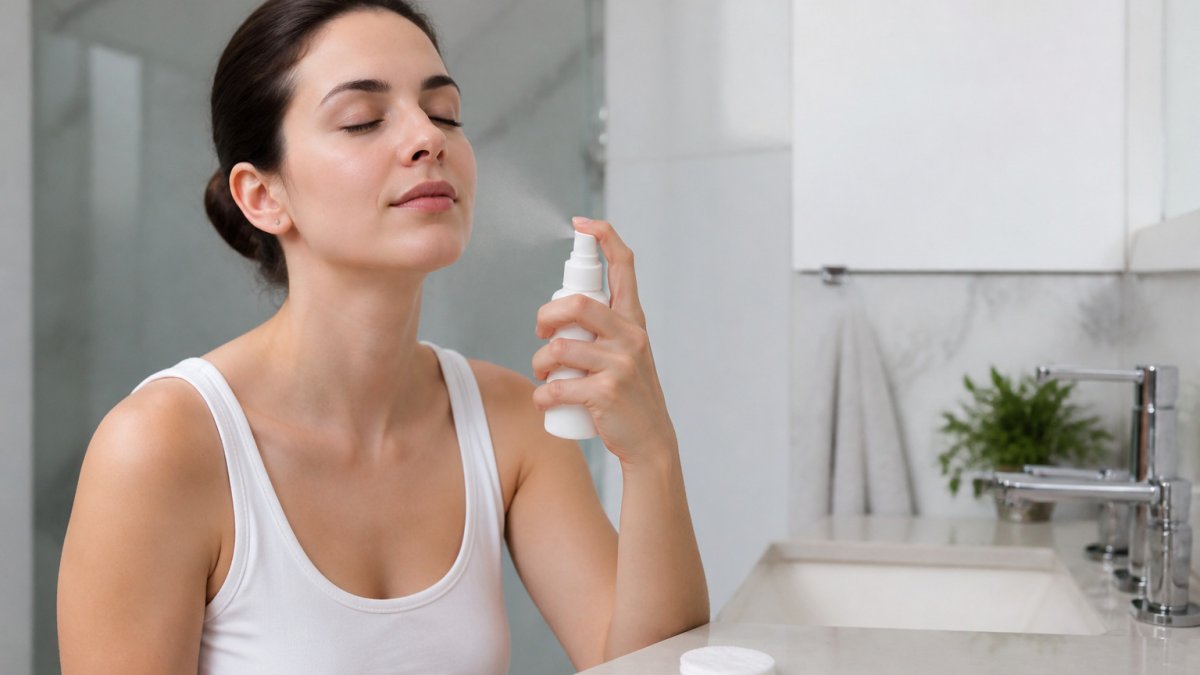
The e11ement 240mL / 8oz face and skin spray suits regular use, and its directions match this approach: spray onto clean skin and allow it to air dry before applying additional products.

Eyes, Broken Skin, Inhalation and Other Exposures to Avoid
Keep the spray away from your eyes, lips, and any open wound or deep cut. The product's own warnings state it is for external cosmetic use only. Avoid inhaling mist directly into the face at close range, and keep the bottle out of reach of children.
Around the eyes, apply product to a cotton pad and dab rather than spraying directly. If the product gets in your eye, flush with clean water.
Choosing a Low-Concentration Spray and Patch Testing Your First Bottle
If you are new to hypochlorous acid, start with the smallest size. The e11ement 60mL / 2oz face and skin spray is available as a smaller size. Apply a small amount to the inner forearm or behind the ear for 24 to 48 hours, and watch for redness, itching, or stinging before using it on your face.

Those who want to try more than one size can use the e11ement Starter Pack, which bundles the 8oz/240mL spray with the 2oz/60mL e11ement X concentrated formula at $29.99.

Patch testing takes two days, but it is the most reliable way to confirm that a product suits your skin. If a reaction appears, stop use and consult a healthcare professional. Keep the bottle sealed when not in use, and store it away from direct light and heat, since stability affects performance.
Frequently Asked Questions
Can hypochlorous acid spray cause allergic reactions?
Reactions are uncommon but possible. Redness, itching or dryness can still occur, so patch test a small area for a few days before using the spray across your face. If you notice swelling, hives or worsening irritation, stop use and seek medical advice.
Can you use hypochlorous acid spray every day?
Many people use it daily, but frequency matters. Using too much hypochlorous acid on skin can cause irritation. Start with once a day, watch how your skin responds over several weeks, and reduce use if dryness or stinging appears. e11ement's 8oz Face and Skin Spray contains 0.015% hypochlorous acid.
Can hypochlorous acid irritate sensitive skin?
Yes, it can. Hypochlorous acid products may cause irritation, redness, itching or dryness. Sensitive and reactive skin is more likely to respond this way. Choose a product labeled for skin use, avoid spraying broken or freshly treated skin, and patch test first. The e11ement spray is alcohol-free, paraben-free and fragrance-free, which removes some common irritants.
What should you do if hypochlorous acid gets in your eyes?
Rinse the eyes gently with clean water or saline for several minutes. Products sprayed on the face can drift into the eyes, so spray away from the eye area and use a cotton pad near the eyes. If stinging, redness or discomfort persists after rinsing, contact a doctor or eye care professional. The e11ement spray is labeled for external cosmetic use only, so keep it away from eyes and mucous membranes.
Ready to try the mist? Start with the 60mL bottle to patch test, then move to the 240mL once your skin tolerates it.


