


Last Updated: November 19, 2026
Quick Summary
A gentle skincare routine for acne-prone skin starts with three steps: a mild cleanser morning and evening, a lightweight non-greasy moisturiser, and daytime sunscreen. Introduce one new product at a time, waiting a few weeks between additions, so any irritation is easy to trace.
- Cleanse gently morning and evening with a mild, fragrance-free formula.
- Apply a lightweight, non-greasy moisturiser to finish the routine.
- Use sunscreen during the day as the third core step.
- Add one product at a time and wait a few weeks before the next.
- Stop any product causing ongoing burning, swelling, or rash, and seek professional advice if needed.
Table of Contents
- Why a Gentle Skincare Routine Works Better for Acne-Prone Skin
- Start With a Minimal Routine of Three Steps
- Choosing a Gentle Cleanser and a Non-Drying Morning Refresh
- Building a Skincare Routine for Acne-Prone Skin With Products, Step by Step
- Adapting the Routine for Oily Skin, Sensitive Skin and Teenagers
- Telling Irritation Apart From an Adjustment Period
- Start Your Gentle Routine This Week
- Frequently Asked Questions
Why a Gentle Skincare Routine Works Better for Acne-Prone Skin
A gentle skincare routine is one built around cleansing and hydration that does not strip or irritate the skin. For acne-prone skin, harsh products often make things worse, because irritated skin can react with more redness and discomfort. The National Institute for Health and Care Excellence (NICE) describes day-to-day care for acne vulgaris as including cleansing, applying a moisturiser or sunscreen, and using medical treatments when necessary NICE skin care advice for people with acne vulgaris.
At e11ement, our hypochlorous acid skincare products are formulated without alcohol and are designed as gentle, cosmetic refreshers that fit into an everyday routine.
Fewer products usually mean fewer chances for irritation. Each new product is another variable, so a short routine makes it easier to notice what your skin tolerates.
Start With a Minimal Routine of Three Steps
A minimal routine for acne-prone skin usually has three parts: a gentle cleanse, a light moisturiser, and daytime sun protection. Start with only these basics before adding anything else.
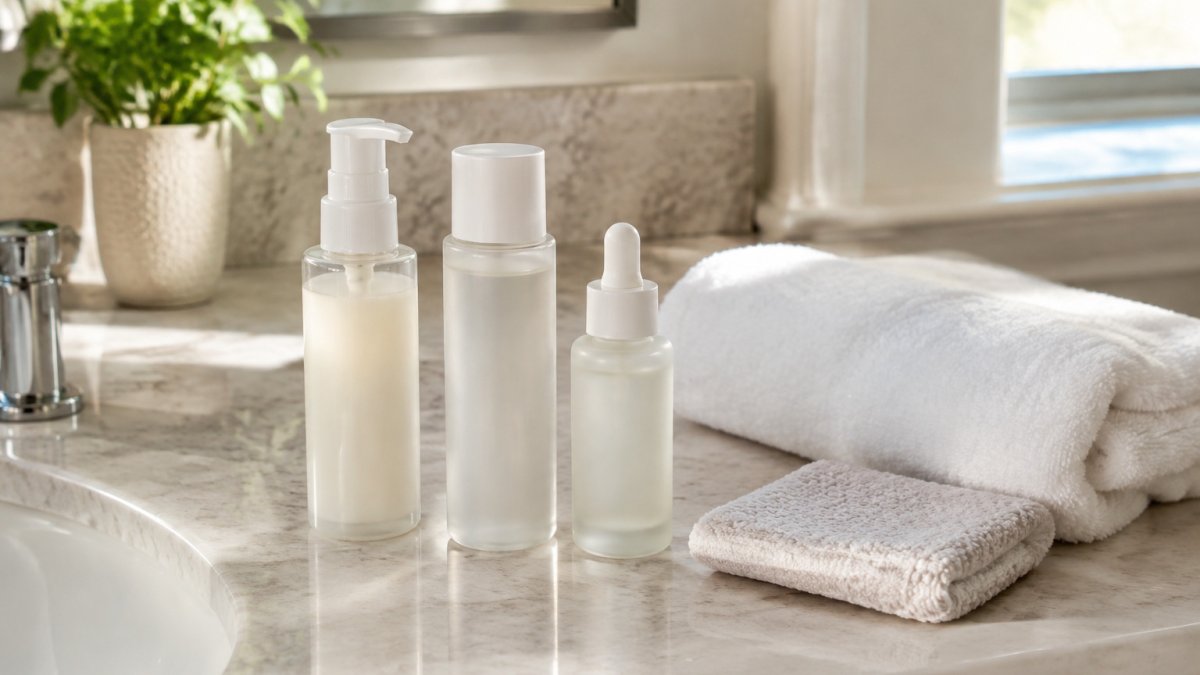
Introduce one change at a time and wait a few weeks before adding the next product. This gradual approach makes it easier to spot irritation early.
- Step 1: Cleanse gently morning and evening.
- Step 2: Apply a lightweight, non-greasy moisturiser.
- Step 3: Use a sunscreen during the day.
Once these three steps feel comfortable, a refresher spray can be added between washes. The NICE guidance on acne skin care also emphasises that routine care is central to managing acne alongside any medical treatment.
Choosing a Gentle Cleanser and a Non-Drying Morning Refresh
A gentle cleanser removes oil, sweat, and debris without leaving skin feeling tight or squeaky.
When reading labels, a few practical filters help:
-
Surfactant type. Mild surfactants such as coco-glucoside, decyl glucoside, and sodium cocoyl isethionate tend to feel less stripping than older sulfate-heavy formulas. You do not need to memorize names, scanning the first five ingredients is enough to see what kind of cleanser you are holding.
-
Fragrance and essential oils. Added fragrance and citrus or mint oils are common triggers for stinging in sensitive skin. Fragrance-free formulas are the safer default while you are establishing a baseline.
-
Texture over strength. A gel or lotion cleanser is usually easier to tolerate than a scrub, clay, or foaming wash with beads. Physical scrubs add friction that acne-prone skin rarely needs.
A common pattern is to cleanse once in the evening to remove the day's buildup and rinse with lukewarm water in the morning. If your skin feels oily on waking, a small amount of the same gentle cleanser is fine, the goal is comfort, not a fixed rule. Water temperature matters too: hot water can leave skin feeling tight, so lukewarm is the practical choice.
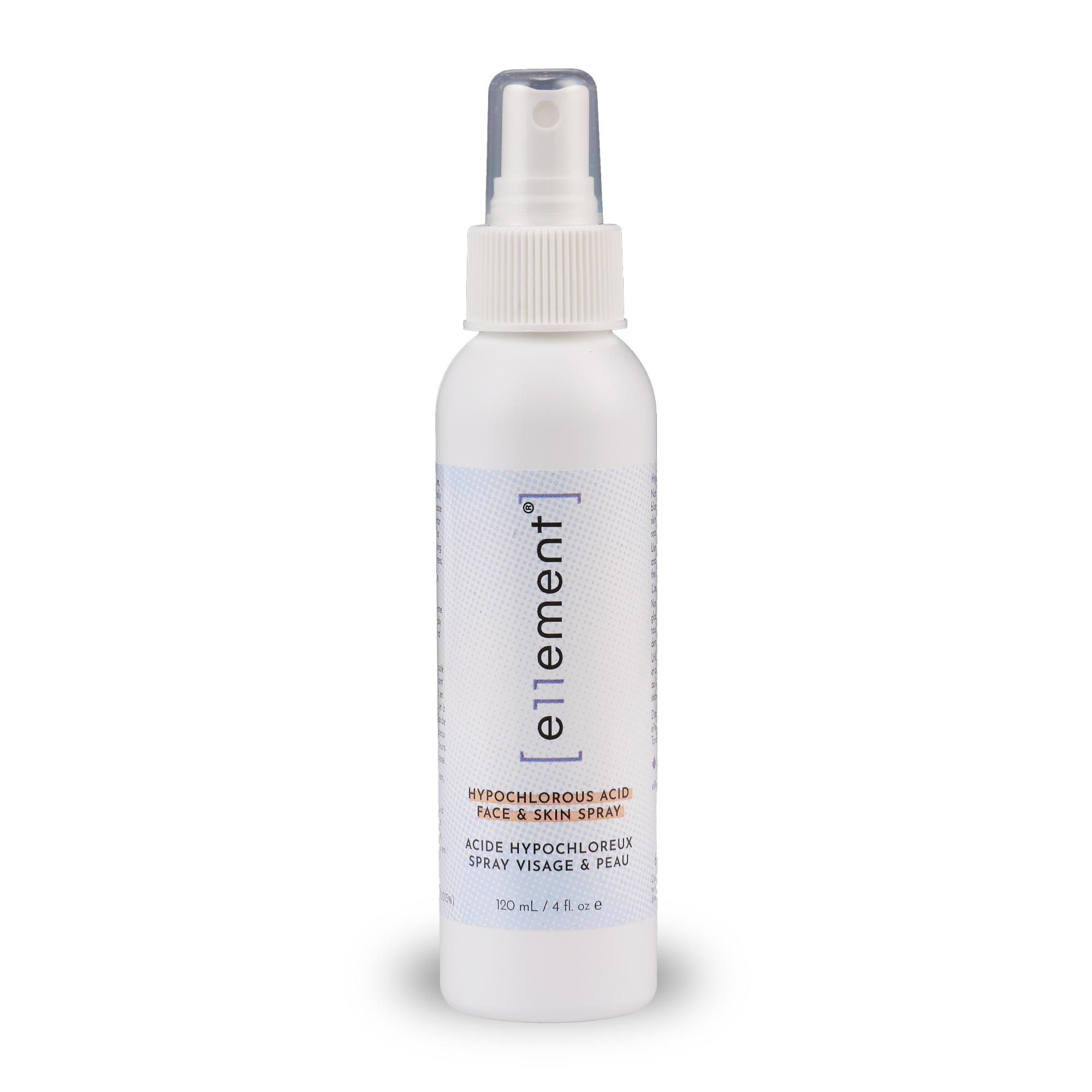
For the morning, a non-drying refresh can help you feel fresh without a full wash. You can compare alcohol-free facial cleansing sprays side by side. Our Hypochlorous Acid Spray for Face and Skin - 120mL / 4oz is formulated without alcohol, parabens, added fragrance, gluten, dyes, or oils, and has a pH of 7.5. Spray it onto clean skin and allow it to air dry before applying other products.
If you wear makeup or sunscreen, a single gentle cleanse is usually enough for everyday removal; a separate oil cleanser is optional and adds another variable to test. Keep the evening cleanse consistent and let the morning step stay simple.
The article's key product details for a gentle cleanser and morning refresh are summarised below.
| Item | Note |
|---|---|
| Hypochlorous Acid Spray for Face and Skin | Formulated without alcohol, parabens, added fragrance, gluten, dyes, or oils |
| Spray pH | Stated product pH |
| Morning step | Allow to air dry before other products |
| Cleansing frequency | Rinse with lukewarm water in the morning |
| Water temperature | Hot water can leave skin feeling tight |
Building a Skincare Routine for Acne-Prone Skin With Products, Step by Step
Most routines follow the same order for a reason: thinnest to thickest. Water-based products go on first so they can reach the skin, and heavier creams or sunscreens go last so they can seal in moisture. A practical sequence is cleanse, refresh, treat if needed, moisturize, then protect during the day. For a fuller walkthrough of how each layer fits together, see the complete layering guide for oily, acne-prone skin.
The bigger gap in most routines is not the order, it is the pace. A gradual introduction schedule is what separates a gentle routine from one that overwhelms the skin:
- Weeks 1-2: Cleanser and moisturizer only, morning and evening. No treatments, no exfoliants.
- Weeks 3-4: Add daytime sunscreen if you have not already. Keep everything else the same.
- Weeks 5-6: Add a refresher spray between washes if it suits you.
- Week 7 onward: Introduce one targeted product at a time, waiting at least two to four weeks before adding the next.
This schedule is deliberately slow. Each new product is a variable, and spacing them out means that if irritation appears, you know which product to pause.
Product conflicts to avoid. Stacking actives is where gentle routines usually break down. A few combinations are worth knowing:
- Two exfoliating acids in the same routine (for example, salicylic acid plus glycolic acid) double the irritation load without doubling the benefit. Pick one.
- A retinoid and an exfoliating acid on the same night is a common cause of stinging and flaking. Alternate nights, or use one in the morning and one at night only if your skin has already adjusted.
- Benzoyl peroxide and retinoids can be used together, but many people find they tolerate them better on alternating nights rather than layered.
- Duplicating exfoliation across products, an exfoliating cleanser plus an exfoliating toner plus an exfoliating serum, is easy to do without noticing. Read labels for salicylic acid, glycolic acid, and lactic acid and count how many products contain them.
Amounts matter as much as order. A pea-sized amount of moisturizer is usually enough for the whole face; more can feel heavy and trap oil. Sunscreen needs more, roughly the length of two fingers, to reach the protection stated on the label. A treatment serum should stay thin: a few drops, not a full dropper.
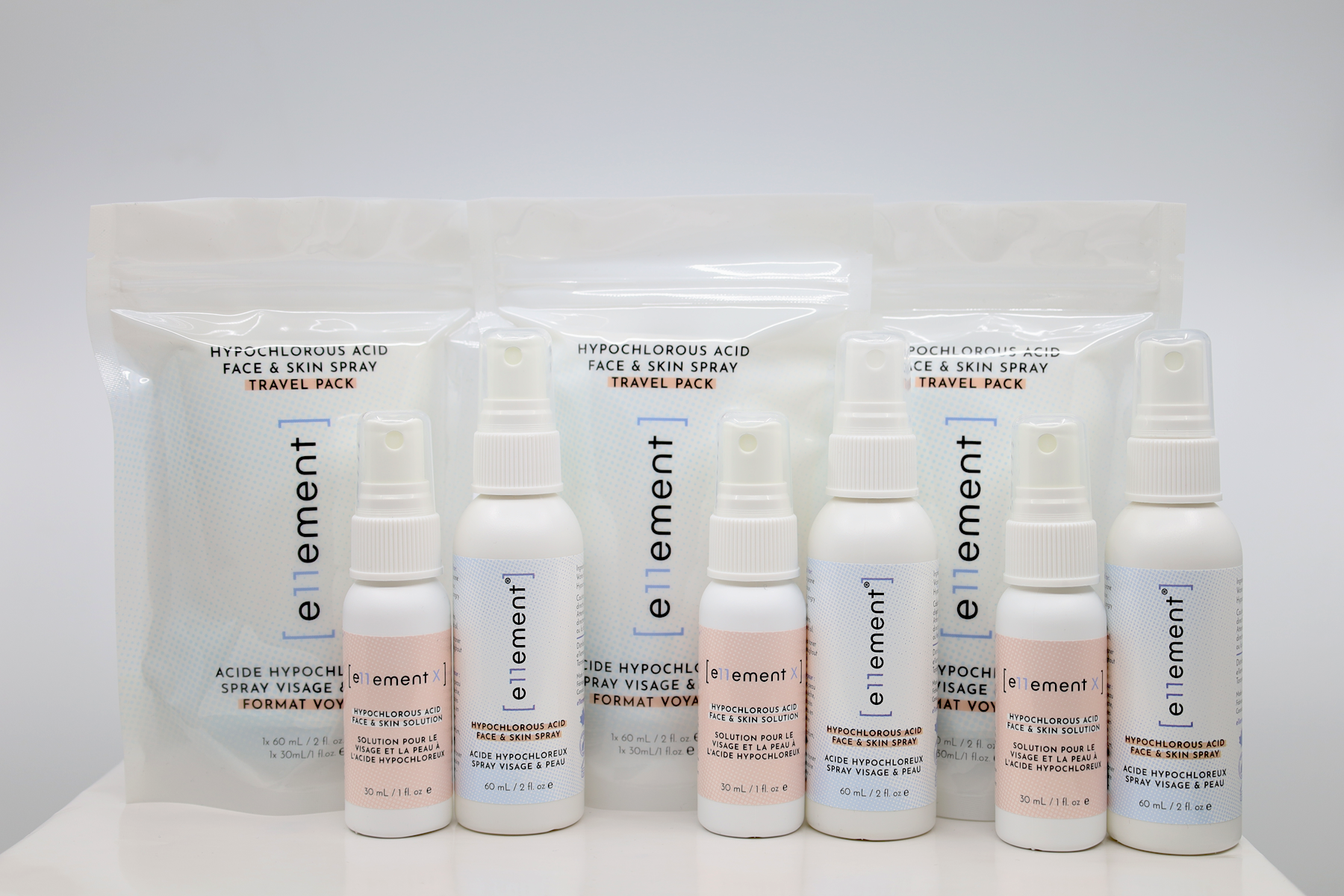
Our Hypochlorous Acid - Starter Pack - 8oz / 240mL + 2oz / 60mL includes an 8oz spray and a 2oz e11ement X concentrated option.
Watch out: adding a new active and a new refresher in the same week makes it impossible to tell which one caused a reaction. Change one thing at a time, even when you are eager to see results.
Adapting the Routine for Oily Skin, Sensitive Skin and Teenagers
Oily skin often tolerates a lightweight routine, but it still benefits from moisture. For sensitive skin, keep the routine shorter and test each product on a small area first.
Teenagers with acne-prone skin usually benefit from the same gentle basics. Avoid scrubbing, and be cautious with strong exfoliants until the skin has settled. The NICE skin care guidance for acne recommends seeking medical advice if acne is persistent or causing distress.
For a broader look at gentle, fragrance-free routines, see our guide to non-toxic skincare for face.
Telling Irritation Apart From an Adjustment Period
When you start a new routine, mild dryness or slight tingling can happen for a short time as your skin adapts. This is different from ongoing burning, swelling, or rash.
If redness, stinging, or itching lasts more than a few days, stop the new product and return to the basics. Persistent or painful symptoms should be checked by a healthcare professional.
For more on what can cause sudden sensitivity, read our article on 7 causes of sudden sensitive skin on your face. You can also learn how to refresh your face after sweating without washing, which suits a minimal routine.
Start Your Gentle Routine This Week
Begin with three steps: a gentle cleanse, a light moisturiser, and daytime sun protection. Add a refresher once those feel comfortable. Take your time, change one thing at a time, and stop anything that causes ongoing irritation.
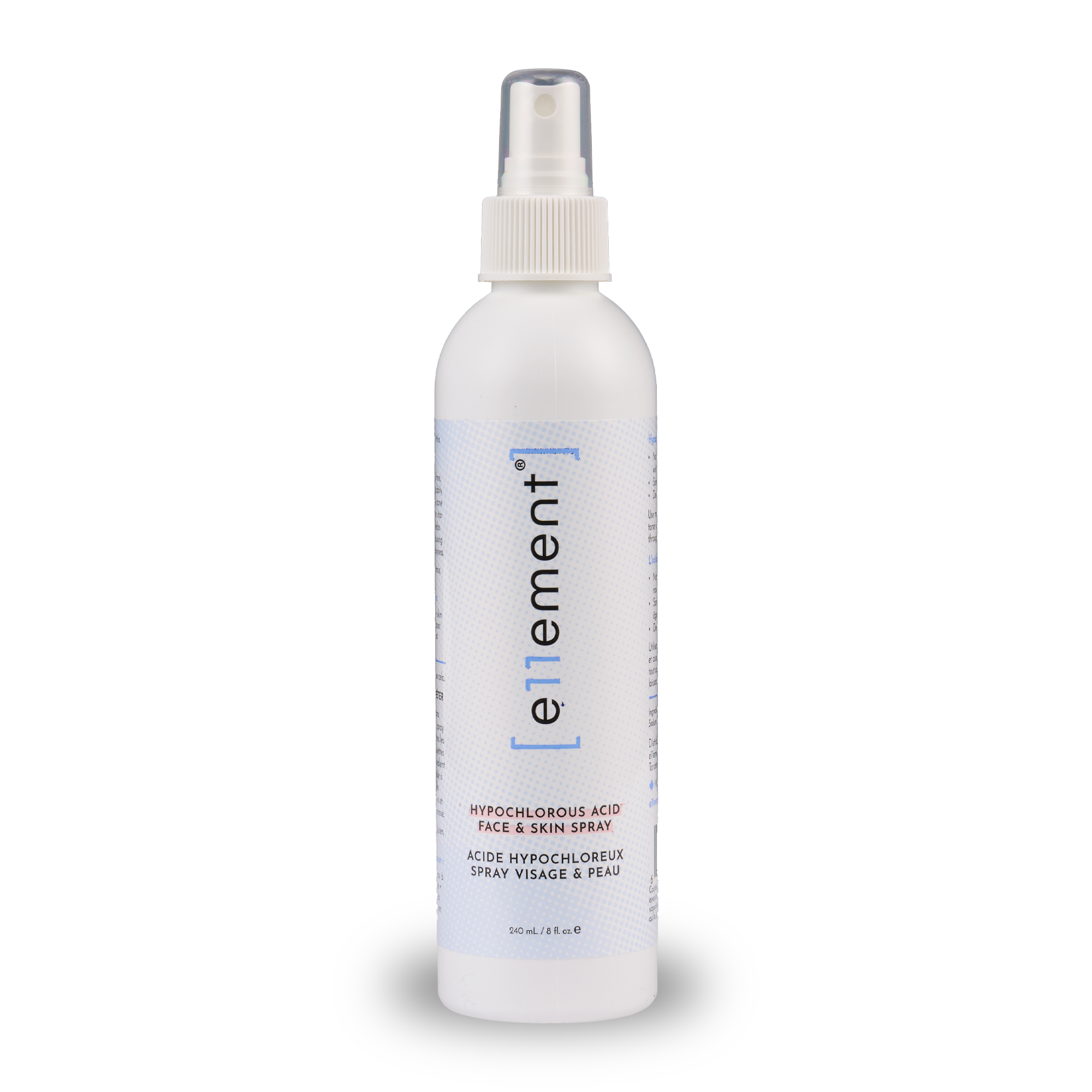
When you are ready to add a refresher, our Hypochlorous Acid Spray for Face and Skin - 240mL / 8oz is a simple, alcohol-free option for everyday care.
Frequently Asked Questions
How do I build a skincare routine for acne-prone skin?
Begin with three steps: a gentle, fragrance-free cleanser, a lightweight non-comedogenic moisturizer, and a broad-spectrum sunscreen for daytime. Use each one for about two weeks before adding anything new, so you can notice any reaction. A simple cleanser is a good first step to add to a routine. e11ement Hypochlorous Acid Spray for Face and Skin is alcohol-free, fragrance-free and formulated without parabens, dyes or oils, so it can be used as a refreshing mist after cleansing, with the skin allowed to air dry before other products go on.
What is a simple skincare routine for acne-prone sensitive skin?
A simple routine for sensitive, acne-prone skin uses few products with short ingredient lists. Morning: rinse or gently cleanse, apply a fragrance-free moisturizer, then daytime sun protection. Evening: cleanse gently, then moisturize. Avoid scrubs and harsh exfoliants at the start. The e11ement Hypochlorous Acid Spray for Face and Skin (60mL or 120mL) is formulated without alcohol, fragrance, parabens, dyes, oils or gluten, and can be sprayed onto clean skin and allowed to air dry before other products are applied.
Can a teenager use the same skincare routine as an adult?
A teenager with acne-prone skin can usually start with the same gentle basics as an adult: a mild cleanser, a light moisturizer and daytime sunscreen. Keep the number of products small and introduce them one at a time, since young skin can be sensitive to new products. If breakouts are severe, painful or leave marks, a parent or guardian should involve a doctor or dermatologist, who can advise on any prescription options. Cosmetic products should not be presented as a substitute for that care.
How often should I change my skincare routine?
Avoid changing your routine often. Give each new product about two to four weeks before judging it, and change only one thing at a time. Frequent switching makes it hard to tell what is helping or causing irritation. Reassess the whole routine every few months, or sooner if skin becomes persistently red, stinging or itchy. Keeping a short note of products and skin changes makes these decisions easier.


