


Last Updated: October 26, 2026
Quick Summary
Affordable hypochlorous acid sprays from e11ement contain just water, salt, and hypochlorous acid at 0.015% concentration, starting at $12.49 for a 2oz bottle. The key difference between budget and premium options is formulation transparency and concentration levels, not the active ingredient itself.
- e11ement's 2oz spray costs $12.49 and provides roughly one month of twice-daily facial use.
- Standard-strength sprays contain around 0.015% to 0.02% hypochlorous acid; concentrated formulas are 0.09% or higher for targeted use.
- Cost per ounce matters more than sticker price: an 8oz bottle at $18.95 costs $2.37 per ounce versus $6.25 per ounce for the 2oz size.
- Hypochlorous acid works through antimicrobial and anti-inflammatory action, making it gentler and suitable for daily use on sensitive skin compared to salicylic acid.
Table of Contents
- Best Affordable Hypochlorous Acid Sprays at a Glance
- Quick Comparison Table
- Best Hypochlorous Acid Sprays by Use Case
- Hypochlorous Acid Spray for Sensitive Skin
- How to Use Hypochlorous Acid Spray
- Hypochlorous Acid vs Salicylic Acid
- What to Look for in an Affordable Hypochlorous Acid Product
- Finding Your First Hypochlorous Acid Spray
- Frequently Asked Questions
Best Affordable Hypochlorous Acid Sprays at a Glance
Hypochlorous acid sprays have moved beyond niche dermatology into mainstream skincare, and you don't need premium prices to access them.
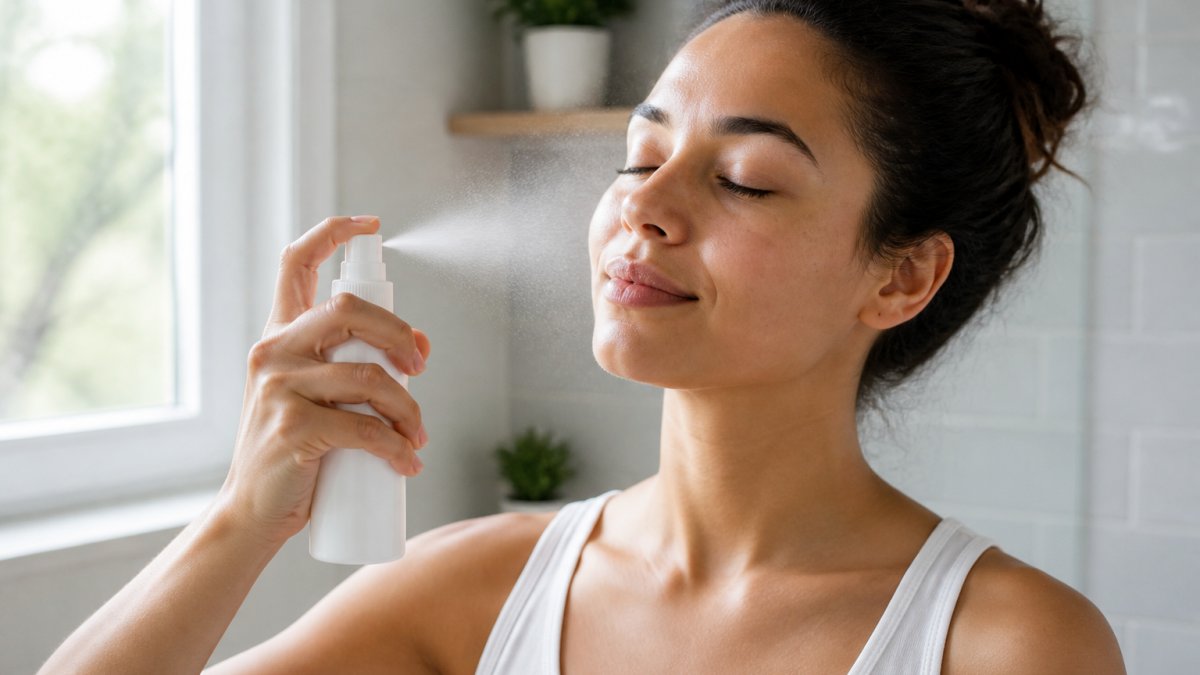
What makes hypochlorous acid different from other skincare actives is that it's a naturally occurring molecule and a component of the human innate immune response, according to research on topical hypochlorous acid applications.
The key difference between budget and premium options isn't the active ingredient itself, it's formulation transparency, concentration levels, and what else is in the bottle.
Quick Comparison Table
| Product | Size | Price | Best For | Key Feature |
|---|---|---|---|---|
| e11ement Spray - 60mL | 2oz | $12.49 | First-time buyers, travel | Portable, alcohol-free |
| e11ement Spray - 120mL | 4oz | $15.99 | Daily routine | Mid-size value option |
| e11ement Spray - 240mL | 8oz | $18.95 | Regular users | Full-size, best per-ounce |
| e11ement Starter Pack | 240mL + 60mL | $29.99 | Testing both strengths | Includes concentrated formula |
| e11ement Travel Pack | 60mL + 30mL (single) | $17.99 | On-the-go use | Compact, portable duo |
Best Hypochlorous Acid Sprays by Use Case
Your skin concern matters when choosing an affordable hypochlorous acid spray. Concentration levels vary, which affects how products perform for different issues.
For Acne and Breakouts
Breakout-prone skin benefits from hypochlorous acid's antimicrobial properties, but you want a formulation that won't over-dry or irritate. The dermatologic applications of hypochlorous acid include infection prevention and inflammatory modulation, making it well-suited for congested skin.
For active breakouts, consider our Hypochlorous Acid - Starter Pack - 8oz / 240mL + 2oz / 60mL, which pairs a standard-strength formula for daily use with our concentrated e11ement X formula for targeted application.
Watch out: hypochlorous acid works best when you're not layering it with heavy actives like benzoyl peroxide or retinoids on the same day. Space them out, or alternate days.
For Sensitive and Irritated Skin
Sensitive skin needs gentleness without sacrificing effectiveness. Hypochlorous acid is valued for its gentle, skin-friendly nature and compatibility with everyday routines. Alcohol, fragrance, and dyes will undo that benefit.
Our Hypochlorous Acid Spray for Face and Skin - 240mL / 8oz contains no alcohol, parabens, added fragrance, gluten, dyes, or oils. For sensitive skin, this is the core product: spray onto clean skin and allow to air dry before applying other products.

For Travel and Post-Workout Refreshing
The Hypochlorous Acid - Travel Pack - 60mL/30mL is built for this: a 2oz standard spray and a 1oz concentrated formula in a compact format. After a workout, spray your face to refresh your skin; the mist evaporates quickly, so you can reapply makeup or sunscreen within minutes.

At $17.99, the single pack is affordable enough to buy multiple copies for your gym bag, desk, and carry-on. No TSA issues; it's just water and salt.
Hypochlorous Acid Spray for Sensitive Skin
Sensitive skin doesn't mean you have to skip active treatment, but it does mean the margin for error is smaller. Hypochlorous acid is a reasonable candidate for reactive skin because it is a naturally occurring molecule in the human innate immune response, and topical formulations have been studied for inflammatory modulation and infection prevention, according to research on topical hypochlorous acid applications.
What 'sensitive-skin friendly' should actually mean on a label
Most affordable hypochlorous acid products are simple by nature: water, salt, and hypochlorous acid. For sensitive skin, what matters is everything around the active:
- Added fragrance, essential oils, or dyes. These are common irritants and have no role in a hypochlorous acid spray. Skip them.
- Alcohol. Some formulas include alcohol for preservation or quick-dry feel; for reactive skin, alcohol-free is the safer default.
- Preservatives beyond what the formula needs. A pure hypochlorous acid solution is typically preserved by its own chemistry and packaging; long preservative lists are a signal the formula has been padded.
Our Hypochlorous Acid Spray for Face and Skin - 60mL / 2oz is the entry point: water, salt, and hypochlorous acid at 0.015%, no alcohol, fragrance, dyes, oils, or gluten. At $12.49, it is affordable enough to test tolerance before committing to a larger bottle.

A sensible patch-test and ramp-up routine
Sensitive skin responds better to a gradual introduction than to a full routine on day one:
- Patch test first. Spray a small area on the inner forearm or along the jawline, let it air dry, and wait 24 hours. Watch for stinging, redness, or itching that doesn't settle within a few minutes.
- Start once daily, at night. Cleanse, pat dry, mist from about 6 inches, and let it air dry completely before moisturizer.
- Hold at once daily for 7 to 10 days. If your skin stays calm, add a morning application.
- Pause if irritation appears. Stop use, return to your baseline routine, and reintroduce only after skin has settled.
What the evidence does and doesn't support
It is worth separating what hypochlorous acid is well established for from what is mostly marketing. In clinical settings, it has a long history in wound care and surface antisepsis. In consumer skincare, the more modest claims, calming redness, reducing surface bacteria, and refreshing reactive skin, are plausible and commonly reported, but not the same as proven treatment for acne, eczema, or rosacea.
Practical notes for reactive skin
- Spray format beats rubbing. A fine mist means no friction, which matters when skin is already inflamed.
- Layer order matters. Apply hypochlorous acid to clean, dry skin first, let it dry for 5 to 10 minutes, then follow with moisturizer and sunscreen. Avoid layering it in the same step as vitamin C, niacinamide, or exfoliating acids.
- Storage affects tolerance. Light and heat degrade hypochlorous acid; keep the bottle capped, in a cool spot, out of direct sun. A degraded product is more likely to underperform, and a poorly stored one may not be worth using at all.
How to Use Hypochlorous Acid Spray
Application technique matters: hypochlorous acid sprays are topical treatments, not toners or essences.
Start with clean skin. Cleanse, pat dry (don't rub), and wait 30 seconds.
Once dry, apply other products: moisturizer, sunscreen, makeup, or serums.
Use once or twice daily. Most users see best results with twice-daily application (morning and night).
Never mix hypochlorous acid spray with vitamin C serums, niacinamide, or other actives in the same step.
Hypochlorous Acid vs Salicylic Acid
Both hypochlorous acid and salicylic acid address acne and congestion, but they work differently.
Salicylic acid is a beta hydroxy acid that exfoliates inside the pore by dissolving sebum and dead skin.
Hypochlorous acid works through antimicrobial and anti-inflammatory action.
Hypochlorous Acid Spray for Face and Skin - 240mL / 8oz →
For acne-prone skin: salicylic acid is stronger for active congestion and blackheads.
For sensitive skin: hypochlorous acid wins. You can use it daily without irritation.
For combination skin: use salicylic acid on oily zones 2-3 times per week, and hypochlorous acid spray daily everywhere. They complement each other.
The global hypochlorous acid market was valued at USD 11.5 billion in 2026 and is projected to reach USD 20.3 billion by 2035 at a 6.5% CAGR, according to Custom Market Insights hypochlorous acid market analysis. This growth reflects increasing clinical adoption and consumer awareness, a signal that hypochlorous acid is moving from niche to mainstream.
What to Look for in an Affordable Hypochlorous Acid Product
Price alone doesn't determine value: a low sticker price can hide a poor cost per ounce, a short shelf life, or a padded formula. Here's a practical framework so 'affordable' becomes something you can measure.
1. Cost per ounce, not sticker price
The most useful affordability metric is cost per ounce (price divided by fluid ounces). A small bottle can look cheap and still be the most expensive way to buy hypochlorous acid:
- A 2 oz spray at $12.49 works out to about $6.25 per ounce.
- A 4 oz spray at $15.99 works out to about $4.00 per ounce.
- An 8 oz spray at $18.95 works out to about $2.37 per ounce.
Larger sizes and refills almost always win on cost per ounce, often by a factor of three to five. The catch: a large bottle only saves money if you use it before it degrades, which is why shelf life and storage belong in the same calculation.
2. Concentration and pH transparency
Hypochlorous acid concentration is usually expressed as a percentage. Standard-strength facial sprays sit around 0.015% to 0.02%; concentrated formulas are often 0.09% or higher and are intended for targeted or occasional use. Higher concentration is not automatically better: it can be more irritating on sensitive skin.
pH is the other half of the transparency test. Hypochlorous acid is most stable and skin-compatible in a slightly acidic range, commonly cited around pH 4.5 to 6.5. pH is rarely printed on consumer bottles, but a brand that can tell you its target pH and concentration is a brand you can compare.
3. Ingredient disclosure
Count the ingredients. A pure hypochlorous acid spray is short: water, salt, and hypochlorous acid. Longer lists aren't automatically bad, but every added ingredient should have a reason to be there. Fragrance, dyes, and essential oils are common irritants with no functional role here; for sensitive skin, alcohol-free is the safer default. A sticky or oily residue signals it's not a pure hypochlorous acid solution.
4. Packaging, shelf life, and storage
Hypochlorous acid degrades over time, and light and heat accelerate that. Packaging is part of the value equation:
- Opaque or light-protective bottles protect the active better than clear ones.
- A printed expiration or use-by date lets you judge freshness; a product that has sat in a warehouse for two years is a worse buy than a fresher one at the same price.
- Cool, dark storage at home extends usable life; a bathroom windowsill is the worst place for it.
A larger, cheaper bottle is a false economy if it degrades before you finish it. Factor shelf life into the per-ounce math.
5. Availability and shipping
Affordability includes what you pay to get the product. Shipping can erase the per-ounce advantage of a large refill, and regional availability can push you toward a smaller, pricier size. Compare delivered cost per ounce, not just shelf price.
6. A simple selection methodology
If you want a repeatable way to compare affordable hypochlorous acid products, score each candidate on these five points:
- Delivered cost per ounce (price plus shipping, divided by ounces).
- Concentration and pH disclosure (both stated, one stated, or neither).
- Ingredient transparency (short list, no fragrance/dyes/alcohol, or padded formula).
- Packaging and shelf life (light-protective, dated, realistic to finish).
- Fit for your skin need (standard strength for daily facial use; concentrated for targeted use; alcohol-free for sensitive skin).
A product that scores well on all five is genuinely affordable. A product that wins only on sticker price is not.
Finding Your First Hypochlorous Acid Spray
Starting with hypochlorous acid doesn't require a big investment.
If you want to test both standard and concentrated formulas before committing to full-size bottles, the Hypochlorous Acid - Starter Pack - 8oz / 240mL + 2oz / 60mL at $29.99 is the smarter choice.
For budget-conscious buyers planning to use hypochlorous acid long-term, the Hypochlorous Acid - 1L / 32oz Refill Value Bundle - 2 Pack at $57.99 delivers two full liters for under $30 per liter. Refill your own bottles or use the bundle for household use across multiple family members.
The barrier to entry is low. Pick a size, commit to two weeks of consistent use, and track how your skin responds. Most users notice reduced redness and fewer breakouts within 14 days.
Frequently Asked Questions
What is hypochlorous acid used for in skincare?
Hypochlorous acid is a naturally occurring compound used in our cosmetic formula. In skincare, it is used to refresh and cleanse the skin, support a healthy-looking complexion, soothe irritation, and provide hydration. It's especially valued for sensitive skin because it is alcohol-free and does not strip the skin barrier, making it suitable for daily use across all skin types.
Are affordable hypochlorous acid sprays as effective as expensive ones?
Effectiveness depends on formulation and concentration rather than price alone. Affordable hypochlorous acid sprays work by the same mechanism as premium options: the active ingredient (HOCl) refreshes and purifies skin. The key difference lies in concentration, added ingredients, and packaging quality. A simple, affordable formula with a clear ingredient list and appropriate HOCl concentration can deliver the same core benefits as a higher-priced alternative. Cost per ounce and long-term value are better measures than brand reputation alone.
How do I choose a hypochlorous acid spray for sensitive skin?
Look for formulas that are alcohol-free, fragrance-free, and free of parabens, dyes, and oils. Check the ingredient list: the simpler the better. A spray made from just water, salt, and hypochlorous acid is ideal for reactive skin. Start with a lower concentration if you have very reactive skin, and allow the spray to air dry before applying other products. If redness or irritation occurs, discontinue use and rinse with water. Patch test on a small area first if your skin is extremely sensitive.
What is the difference between hypochlorous acid and salicylic acid?
Hypochlorous acid is a gentle formula that refreshes skin without exfoliating, making it suitable for sensitive or irritated skin. Salicylic acid is a chemical exfoliant that penetrates pores to remove dead skin and oil, making it more intense and better for oily or congestion-prone skin. Hypochlorous acid is gentler for daily use and barrier-sensitive skin, while salicylic acid is stronger but can be drying. The two work differently and should not be used together without professional guidance.
How often can you use hypochlorous acid spray on your face?
Hypochlorous acid spray can be used daily as part of your routine. Most formulas are gentle enough for twice-daily use: after cleansing in the morning and evening, or whenever your skin feels stressed or needs refreshing, such as after workouts. Spray onto clean skin and allow it to air dry before applying other products. If you notice any irritation, reduce frequency or discontinue use and consult a dermatologist.
Affordable hypochlorous acid sprays work because they're formulated to do one thing well: refresh and protect your skin without unnecessary additives. e11ement's range starts at $12.49 and scales up based on your needs, with every product dermatologist-tested and formulated without alcohol, parabens, fragrance, or dyes. Add your first hypochlorous acid spray to your routine and experience the difference a simple, effective formula makes.


