


Table of Contents
- Hypochlorous Acid vs Salicylic Acid: Key Differences
- How Hypochlorous Acid Works on Skin
- How Salicylic Acid Works on Clogged Pores
- Hypochlorous Acid for Acne: When to Use It
- Using Hypochlorous Acid Spray for Face Refreshing
- Can You Use Hypochlorous Acid and Salicylic Acid Together
- Choosing Between Hypochlorous Acid and Salicylic Acid
- Frequently Asked Questions
Last Updated: October 18, 2026
Hypochlorous Acid vs Salicylic Acid: Key Differences
When comparing hypochlorous acid vs salicylic acid, you'll find they work through fundamentally different mechanisms, so choosing between them depends on your skin concerns and routine.

Hypochlorous acid is a naturally occurring antimicrobial compound created from water and salt. It works by neutralizing bacteria and supporting skin's natural healing processes. Salicylic acid, by contrast, is a beta hydroxy acid that penetrates pores to dissolve sebum and dead skin cells, clearing congestion from within. The key distinction: hypochlorous acid focuses on antimicrobial action and soothing inflammation, while salicylic acid targets oil control and exfoliation.
Many people assume all acne treatments work the same way. They don't. The right choice depends on your skin type, your specific concern, and whether you're dealing with active inflammation or clogged pores.
| Aspect | Hypochlorous Acid | Salicylic Acid |
|---|---|---|
| Primary Function | Antimicrobial, anti-inflammatory | Exfoliation, oil control |
| Best For | Sensitive, irritated, inflamed skin | Oily, congested, clogged pores |
| Active Mechanism | Neutralizes bacteria, soothes | Dissolves sebum, removes dead cells |
| Irritation Risk | Low | Moderate to high |
| Suitable for Daily Use | Yes | Depends on concentration |
How Hypochlorous Acid Works on Skin
Hypochlorous acid functions as a gentle antimicrobial agent that supports your skin's natural defenses. When applied topically, it works to neutralize acne-causing bacteria without disrupting your skin barrier or causing dryness.
Hypochlorous acid targets breakout-causing bacteria while reducing inflammation and redness. This dual action suits sensitive skin and conditions like rosacea and eczema, where traditional acne treatments often cause more irritation than relief. Being alcohol-free and free of harsh actives, it can be used multiple times daily without compromising skin health.
Unlike exfoliating acids that require careful timing and frequency management, hypochlorous acid fits into morning and evening regimens without concern. Many people use it as a refreshing mist after workouts, throughout the day when skin feels stressed, or as part of their cleansing routine.
For minor skin irritations or post-procedure sensitivity, hypochlorous acid supports healing. The e11ement Hypochlorous Acid Spray for Face and Skin comes in 60mL, 120mL, or 240mL sizes starting at $12.49, making it accessible for daily use.
How Salicylic Acid Works on Clogged Pores
Salicylic acid is a beta hydroxy acid (BHA) that works differently from hypochlorous acid at the pore level. Its defining trait is lipophilicity, meaning it is oil-soluble and can partition into sebum-rich environments inside the pore lining. Once there, it loosens the keratinized cells that stick together and contribute to clogged pores, and it helps reduce the sebum plug itself.
That mechanism explains why salicylic acid is most relevant to non-inflammatory congestion: blackheads, whiteheads, and the rough, bumpy texture that comes from sebum and dead cells accumulating in follicles. It is not a direct antibacterial agent in the way hypochlorous acid is. Instead, it changes the pore environment that acne-causing bacteria rely on.
Concentration and formulation matter more with salicylic acid than labels suggest. Over-the-counter leave-on products commonly sit in the 0.5% to 2% range, and higher is not automatically better: a 2% BHA at a well-buffered pH exfoliates more aggressively than a 0.5% product but raises the risk of dryness, stinging, and barrier disruption. Product pH, solvents, and delivery format (toner, serum, cleanser, patch) all affect how much free acid reaches the skin.
Salicylic acid has established uses in acne and dandruff-related scaling, but claims around "pore shrinking" or "deep cleaning" go beyond what it can do. It can reduce the appearance of congested pores by clearing debris, but it does not permanently change pore size. Results depend on consistent use over weeks, not days, and on whether the rest of the routine supports the skin barrier.
For people whose main concern is visible congestion and oily texture, salicylic acid is the more targeted choice. For those whose breakouts are primarily inflammatory, sensitive, or accompanied by redness, salicylic acid alone may not address the root cause, which is where hypochlorous acid becomes relevant.
Hypochlorous Acid for Acne: When to Use It
Hypochlorous acid for acne works best when inflammation and sensitivity are present alongside breakouts. If your acne is accompanied by redness, irritation, or reactive skin, hypochlorous acid offers a gentler entry point than traditional actives.
The ideal use case is acne-prone skin that's also reactive. People with hormonal breakouts, stress-triggered flare-ups, or post-procedure sensitivity find that hypochlorous acid calms inflammation while supporting healing. Because it doesn't exfoliate or dry skin, it won't worsen existing irritation or create a compromised barrier.
Teenagers and young adults often benefit from starting with hypochlorous acid before moving to stronger treatments, letting skin stabilize while addressing bacterial overgrowth. For those with rosacea or eczema, it treats breakouts without triggering the inflammatory cascade these conditions are prone to.
You can use hypochlorous acid daily without building tolerance or causing sensitization.
Using Hypochlorous Acid Spray for Face Refreshing
The spray format of hypochlorous acid offers practical advantages for on-the-go application and post-workout refreshing. Athletes and gym-goers especially appreciate the portability and quick-drying nature of a facial mist.
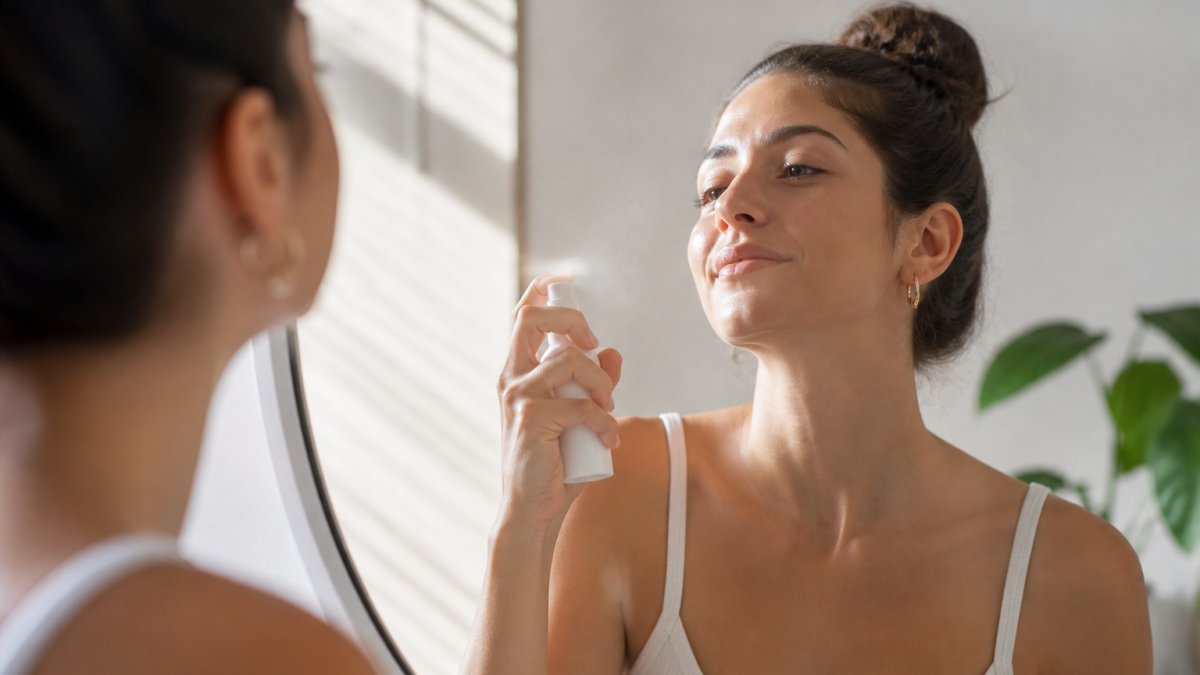
Apply the spray to clean skin and let it air dry before adding other products; the lightweight formula won't interfere with makeup or additional skincare steps. Post-workout, spray directly onto clean skin after cleansing to refresh and support recovery from exercise-induced bacteria and sweat.
Hypochlorous Acid Spray for Face and Skin - 240mL / 8oz →
The e11ement Travel Pack (60mL/30mL, 3-pack at $43.99) is designed for frequent travelers and professionals who need portable skincare. The starter pack combining the 240mL standard spray with the concentrated formula ($29.99) works well for people building a routine at home.

Keep the bottle at arm's length and apply in light mists rather than saturating skin, then allow 30-60 seconds for air drying before proceeding with other products so the hypochlorous acid has time to work.
Can You Use Hypochlorous Acid and Salicylic Acid Together
Yes, hypochlorous acid and salicylic acid can be used in the same routine, but the useful question is how to sequence them, how often to use each, and which skin types should combine them at all.
The two ingredients do different jobs: salicylic acid is the exfoliating active that clears congestion, while hypochlorous acid is the antimicrobial, soothing step that supports the barrier and calms inflammation. Because hypochlorous acid is not an exfoliant and does not meaningfully alter skin pH the way AHAs and BHAs do, it is easier to fit around salicylic acid than another acid would be. The main risk is not a chemical conflict but over-exfoliation and barrier stress from using salicylic acid too often or too aggressively.
A practical routine framework for most skin types:
- Alternate days first. Use salicylic acid 2-3 times per week in the evening. On the other days, use hypochlorous acid as a morning and/or evening step. This gives the skin recovery time while still addressing both congestion and inflammation.
- If using both on the same day, separate them. Apply salicylic acid in the evening as the active treatment step. Use hypochlorous acid the following morning, after cleansing, to soothe and support recovery. Avoid applying them back-to-back in the same layer.
- Order within a single routine. On a hypochlorous acid day, cleanse, spray hypochlorous acid, let it air dry for 30-60 seconds, then apply moisturizer and sunscreen. On a salicylic acid day, cleanse, apply salicylic acid, wait as directed by the product, then moisturize. Do not spray hypochlorous acid immediately over an active acid layer unless the product instructions specifically allow it.
- Adjust by skin type. Oily, non-sensitive skin may tolerate salicylic acid 3-4 times weekly with hypochlorous acid used on off days and as a morning refresher. Sensitive or rosacea-prone skin should start with salicylic acid once weekly or less, and rely on hypochlorous acid for daily antimicrobial and soothing support. Dry skin should be cautious with salicylic acid and prioritize barrier support.
- Watch for over-use signals. Persistent stinging, flaking, redness that does not settle, or a tight, shiny barrier are signs to reduce salicylic acid frequency and increase hypochlorous acid and moisturizer use.
Not all hypochlorous acid products are stabilized the same way, and not all salicylic acid products use the same pH or solvent system. If you are layering multiple actives, patch test on a small area first and introduce one new product at a time. People using prescription retinoids, benzoyl peroxide, or other exfoliating acids should treat salicylic acid as one active among several and avoid stacking too many at once.
For sensitive skin, establish hypochlorous acid as a daily baseline first, then add salicylic acid at low frequency once the skin is stable, reducing the chance a new exfoliant disrupts the barrier before the soothing step can help.
Choosing Between Hypochlorous Acid and Salicylic Acid
The choice between hypochlorous acid and salicylic acid depends on your primary skin concern and sensitivity level. Ask yourself: Is your main issue inflammation and bacteria, or congestion and oil control?
Choose hypochlorous acid if: Your skin is sensitive, reactive, or already irritated. Your breakouts are accompanied by redness and inflammation. You have rosacea, eczema, or other inflammatory skin conditions. You want a product you can use daily without concern.
Choose salicylic acid if: Your primary concern is visible congestion and clogged pores. You have oily or combination skin with minimal sensitivity. Your breakouts stem from sebum buildup rather than inflammation. You can tolerate occasional dryness or mild peeling.
e11ement's hypochlorous acid formulation is versatile: alcohol-free and hypoallergenic, it works across all skin types, from sensitive to oily, without the irritation risk salicylic acid carries. The Starter Pack ($29.99) lets you try both the standard spray and the concentrated e11ement X formula.
For most people starting out, hypochlorous acid is the safer first step: it won't compromise your skin barrier. Once you understand how your skin responds to actives, you can decide whether adding salicylic acid makes sense for your concerns.
Choosing the right skincare ingredient feels overwhelming when you're facing breakouts or irritation. The difference between hypochlorous acid and salicylic acid matters, one soothes and protects, the other clears and exfoliates.
Frequently Asked Questions
What is the difference between hypochlorous acid and salicylic acid?
Hypochlorous acid is an antimicrobial compound that disinfects and soothes skin, working primarily through its gentle antibacterial action. Salicylic acid is a beta hydroxy acid that exfoliates inside pores and clears oil buildup. Hypochlorous acid suits sensitive and irritated skin, while salicylic acid targets oily, congestion-prone skin. They work through different mechanisms, making them suitable for different skin concerns.
Can you use hypochlorous acid and salicylic acid together?
Yes, you can layer hypochlorous acid and salicylic acid in your routine, but timing matters. Apply salicylic acid first to exfoliate and clear pores, allow it to dry completely, then follow with hypochlorous acid spray to soothe and protect. Start with this sequence 2-3 times weekly to assess tolerability. If your skin feels irritated, reduce frequency or alternate days instead. Always patch-test this combination on a small area first.
Is hypochlorous acid gentler than salicylic acid for sensitive skin?
Hypochlorous acid is generally gentler for sensitive skin because it works through antimicrobial action rather than chemical exfoliation. It does not disrupt the skin barrier or cause dryness like salicylic acid can. Hypochlorous acid soothes inflammation and supports healing, making it ideal for eczema, rosacea, and reactive skin. Salicylic acid can be too harsh for sensitive types unless used at low concentrations and infrequently.
How do you use hypochlorous acid spray for face acne?
Spray hypochlorous acid onto clean, dry skin and allow it to air dry before applying other products. Use it 1-2 times daily as a refreshing step after cleansing, or post-workout to prevent bacteria buildup. For breakout-prone areas, apply with a cotton pad for targeted coverage. The lightweight, alcohol-free formula works without over-drying, making it suitable for daily use alongside your existing acne routine.


