


Winter can bring noticeable changes to your skin, even when there are no visible signs of irritation. You may experience tightness, itching, rough patches or discomfort without developing redness, bumps or a rash. These symptoms are common during colder months because low temperatures, reduced humidity and indoor heating can affect the skin's natural moisture balance.
Understanding Why Does Skin Feel Dry and Itchy Without a Rash During Winter? can help you identify the possible causes and make appropriate changes to your skincare routine. Although winter dryness is often temporary, persistent itching may sometimes indicate an underlying skin condition that requires attention.
Why Does Skin Feel Dry and Itchy During Winter?
The main reason skin becomes dry and itchy during winter is the loss of moisture from its outer protective layer. Cold outdoor air generally contains less moisture, while indoor heating can further reduce humidity.
Your skin relies on natural oils and a protective barrier to retain moisture. When this barrier becomes weakened, water escapes more easily, leaving the skin feeling dry, tight and uncomfortable.
Even without a visible rash, the skin may become sensitive to clothing, soaps and environmental changes.
7 Common Reasons for Winter Dryness and Itching Without a Rash
Several environmental and lifestyle factors can contribute to winter-related skin discomfort.
1. Low Humidity and Cold Weather
Cold weather and low humidity can reduce the amount of moisture available to your skin. As a result, the skin may lose water more quickly than usual.
Areas such as the hands, legs, arms and face are particularly exposed to environmental conditions. Without sufficient moisture, these areas may feel rough, tight and itchy.
2. Indoor Heating
Heaters, radiators and air conditioning systems can reduce indoor humidity. Spending long hours in heated rooms may gradually dry out the skin.
Although indoor heating provides comfort during winter, prolonged exposure to dry air can affect the skin's moisture balance.
Using a humidifier can help maintain indoor humidity and reduce excessive moisture loss.
3. Hot Showers and Frequent Bathing
Hot showers may feel relaxing during cold weather, but prolonged exposure to hot water can remove natural oils from the skin.
These oils help maintain the skin's protective barrier. When they are stripped away, moisture escapes more easily, potentially causing dryness and itching.
Choose lukewarm water and limit shower time to approximately 5–10 minutes.
4. Harsh Soaps and Cleansers
Some soaps, body washes and cleansing products contain strong detergents or fragrances that may irritate dry skin.
Frequent use of these products can weaken the skin barrier and increase discomfort.
Consider switching to gentle, fragrance-free cleansers that remove dirt without unnecessarily stripping the skin of its natural oils.
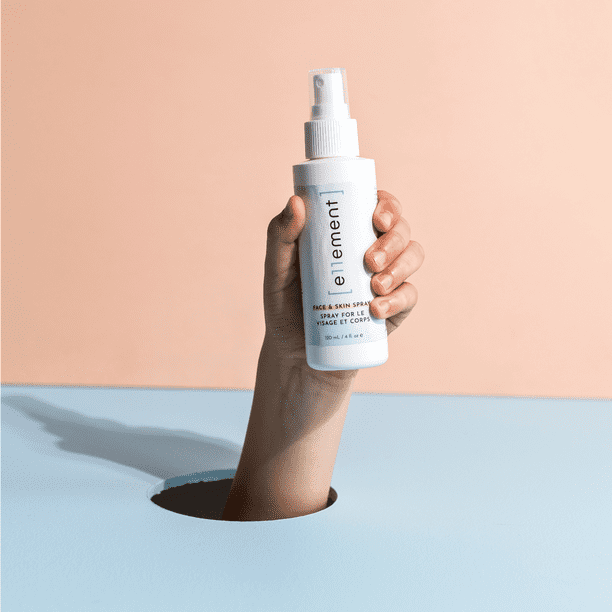
5. Reduced Moisturising During Winter
A lightweight moisturiser that works during warmer months may not provide enough protection during winter.
Cold weather can increase moisture loss, making richer moisturising products more suitable for some people.
Using a nourishing body cream immediately after bathing can help retain moisture and reduce the feeling of tightness.
6. Sensitive Skin and Existing Skin Conditions
People with naturally sensitive skin may experience increased dryness and itching during colder months.
Conditions such as eczema can also cause itching before obvious skin changes become noticeable. In some cases, symptoms may appear without a clearly visible rash.
If itching is frequent, severe or persistent, consult a dermatologist to identify the underlying cause.
7. Dehydration and Lifestyle Habits
Although drinking water alone cannot resolve every cause of dry skin, inadequate fluid intake may contribute to overall dehydration.
Poor sleep, frequent exposure to dry environments and inadequate skincare can also affect skin comfort.
Maintaining balanced hydration and following a consistent moisturising routine can support general skin health.
How to Prevent Dry and Itchy Skin During Winter
A few simple skincare adjustments can help reduce winter-related dryness and maintain a comfortable skin barrier.
Use a Nourishing Body Cream
Choose a moisturiser containing ingredients such as glycerin, ceramides, hyaluronic acid or shea butter. These ingredients help attract moisture, support the skin barrier or reduce water loss.
Apply body cream while your skin is slightly damp after bathing. Pay particular attention to commonly dry areas, including elbows, knees, hands and legs.
Avoid Excessively Hot Water
Use lukewarm water instead of hot water when showering. Keep baths relatively short and avoid washing your skin more frequently than necessary.
Choose Gentle Skincare Products
Use fragrance-free cleansers and moisturisers if your skin is easily irritated. Avoid products that leave your skin feeling tight or uncomfortable after washing.
Wear Comfortable Winter Clothing
Choose soft, breathable fabrics that do not create excessive friction. Wool and rough materials may irritate particularly sensitive skin when worn directly against it.
Maintain Indoor Humidity
A humidifier can help prevent indoor air from becoming excessively dry. Clean the device regularly according to the manufacturer's instructions.
When Should You Consult a Dermatologist?
Winter dryness usually improves with appropriate skincare, but persistent itching should not be ignored.
Consider seeking medical advice if:
-
Itching continues despite regular moisturising.
-
Your skin becomes cracked, painful or starts bleeding.
-
You experience itching that interferes with sleep.
-
The discomfort affects large areas of your body.
-
You notice unexplained itching without an obvious environmental cause.
Persistent itching without a rash can sometimes be associated with medication reactions or underlying medical conditions. A healthcare professional can help determine whether further investigation is necessary.
Conclusion
Understanding why skin feels dry and itchy without a rash during winter can help you make better skincare decisions. Low humidity, indoor heating, hot showers and unsuitable cleansing products are common factors that contribute to moisture loss and skin discomfort.
A consistent winter skincare routine that includes gentle cleansing, regular moisturising and protection from environmental dryness can help maintain comfortable, healthy-looking skin. If itching becomes persistent or severe, consult a dermatologist rather than relying entirely on home remedies.


